
Reviewed · CULTURAL VILLAGE TOURS
Cultural and Local Village Experience in Papua New Guinea
Papua New Guinea is best understood through its people, and this Alotau village visit gives you more than a quick look from a coach window. You move from the town market and Massim Museum to a community where you can watch traditional cooking, basket weaving, fire making, gardening, and house building.
I like the mix of town sights and village life, since you get local context before reaching the rural community. I also like the hands-on details, especially coconut husking, climbing, fresh coconut juice, and a traditional meal. The main drawback is transport: several people have reported dirty or poorly maintained vans, weak air conditioning, and rough roads.
Key points to know before booking
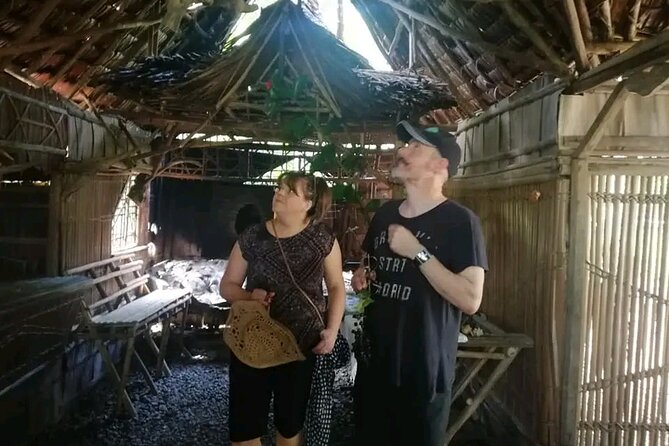
- Village activities go beyond sightseeing: See traditional cooking, coconut husking, fire making, basket weaving, gardening, and house building.
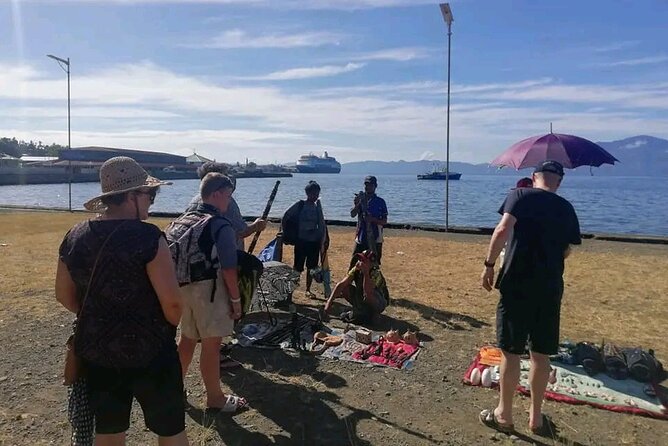
- Alotau is part of the experience: The route includes the local market, craft market, Massim Museum, war memorial, and town lookout.
- The road journey can be rough: Expect potholes and basic transport standards, with vehicle quality not always matching expectations.
- A traditional meal is included: You also receive fresh coconut juice and fruit during the village visit.
- The tour lasts about four hours: The 9:00 am start is designed to return you to your ship after the outing.
- The group may be large: Bookings can include up to 90 people, so the village portion may not feel private.
Starting in Alotau with markets and local sights
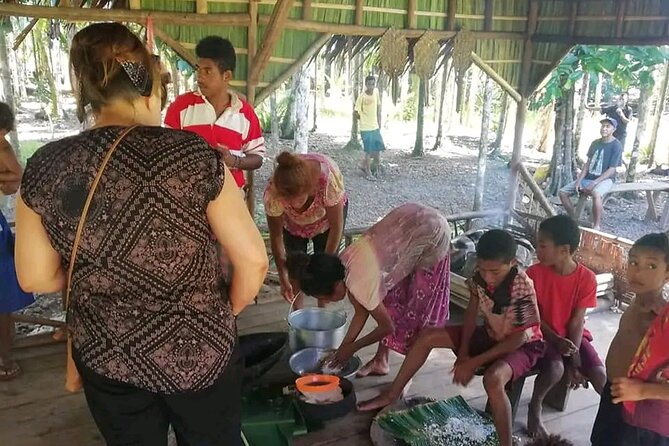
The morning begins at 9:00 am, with pickup offered. The first part introduces you to Alotau before the vehicle heads out to the village. That order makes sense. You see where local trade happens, then gain a wider view of community life outside town.
The local market is a useful first stop because it puts everyday commerce in front of you. You may see local produce and goods changing hands, while the craft market gives you a chance to look at handmade items. If you hope to buy something, carry small amounts of local currency if available, though the tour information does not promise specific shopping arrangements.
The Massim Museum adds cultural background to the day. It is a short but worthwhile stop for anyone who wants more than photographs. The Massim region is known for distinctive artistic traditions, so the museum helps connect local crafts with the wider culture of the area.
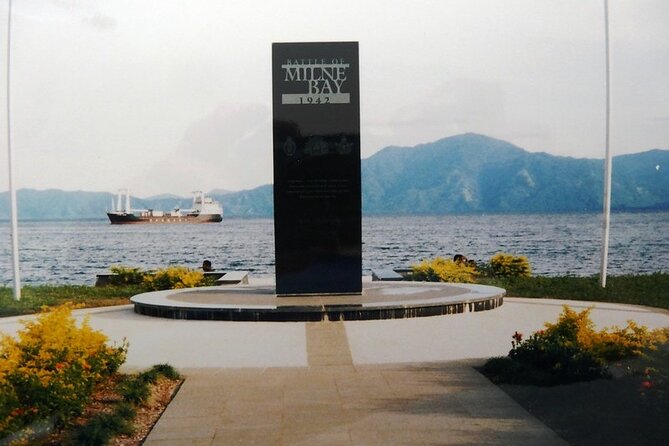
You also visit the war memorial and take a brief war history tour. This part gives Alotau a historical frame before the outing turns toward present-day village routines. The town lookout then offers a chance to pause and see Alotau from above. It is a simple stop, but useful for getting your bearings.
The town section is not the main event. If you want a long museum visit, detailed military history, or extensive time at the market, four hours will feel tight. If you prefer a broad introduction with several short stops, the pace should suit you better.
More cultural village tours in the Pacific Islands:
- Jewel Of Fiji incl Fijian Village, waterfall & Lunch(Nadi Hotels)
★ 5.0 · 570 reviews - Nadi: Garden Village Hot Spring & Temple Highlights Tour
★ 4.6 · 339 reviews - CFC Hot Spring Mud Pool,Garden Of Sleeping Giant And Village Visit Half Day Tour
★ 5.0 · 302 reviews
The drive beyond town and what to expect
After the Alotau stops, the vehicle heads toward a local village. The drive takes about 40 minutes according to one account, and road conditions can be poor. Potholes, rough surfaces, and causeways are part of the journey described by past participants.
This is where you need to set sensible expectations. The tour price is $80 per person, but it does not buy the polished transport you might expect from a more developed destination. Reports describe vans with poor air conditioning, a broken windshield, missing windows, and even holes in the floor. One operator response explained that a mechanical problem forced a last-minute vehicle change.
That does not mean every departure will have the same problem, but vehicle standards are clearly a point to check before you go. Contact Aioni Tours ahead of time if air conditioning, a sound windshield, or comfortable transport matters to you. The local climate can make a hot, poorly ventilated van tiring, especially on a rough road.
The upside is that the journey takes you beyond the central town area. You get a look at the roads, causeways, and countryside that form part of daily life in the region. I would treat the ride as part of the cultural experience, not just dead time between stops, while also accepting that it may be uncomfortable.
Meeting the village community
The village visit is the heart of the tour. You meet local people and see how a tightly connected community manages daily tasks. The activities are practical, not staged as a formal performance, which gives the visit its value.
Traditional cooking is one of the main demonstrations. You can watch food being prepared in a local setting, then enjoy a traditional meal later in the visit. The meal is accompanied by fresh fruit and coconut juice, giving you a direct taste of local ingredients.
Coconut husking is another hands-on feature. This is an ordinary task in places where coconuts are part of household life, but it can be surprisingly instructive when you see the skill and effort involved. Coconut climbing is also listed among the activities, though the exact level of participation may depend on local conditions and safety arrangements.
Basket weaving shows a different kind of practical knowledge. You can watch how plant materials are handled and shaped into useful objects. The craft market in Alotau gives you a chance to see finished work, while the village visit shows more of the work behind it.
Traditional fire making is included too. It is a small activity with a clear lesson: many everyday tasks rely on skills that are easy to overlook when you come from a home with electricity, gas, and modern tools. House building offers a similar window into local construction methods.
Gardening is part of the village experience as well. This matters because it connects food, work, and community life in a simple way. You are not just looking at a building or a craft object. You are seeing several parts of a household system in one place.
A personal welcome, with plenty for families
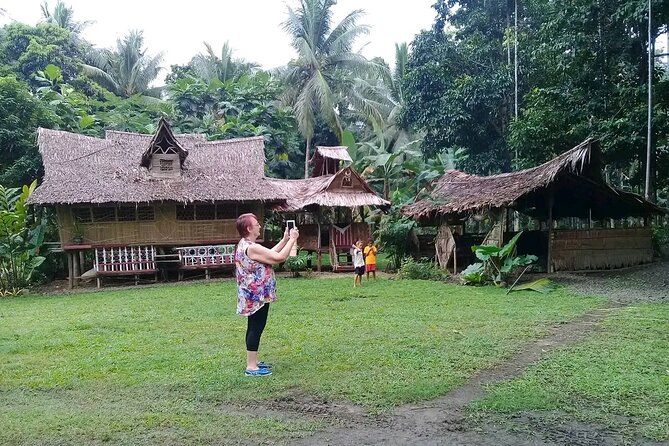
The human side of the village visit is likely to be the strongest part. One account describes villagers making visitors feel welcome and children enjoying the chance to speak English. Another praised the family-run operation and the care shown by the guides.
You should approach the visit with respect and patience. This is a community encounter, not a theme park attraction. Listen to the guide, ask before taking close-up photographs, and avoid treating people or children as props. The activities are more meaningful when you pay attention to the people explaining them.
The tour may suit families, couples, and curious first-time visitors to Papua New Guinea. Children may find the coconut work, fire making, and house building more memorable than a museum stop. People interested in local food and handmade crafts should also get plenty from the village section.
At the same time, the possible maximum of 90 participants is large. A group that size can make demonstrations harder to see and personal conversation less likely. Ask Aioni Tours about the expected group size for your date if a quiet, small-group visit is important to you.
Same island, a completely different day on the water:
- Cruisin Fiji: Authentic Fijian Day Cruise – Best Day in Fiji
★ 5.0 · 2,409 reviews - From Palau: La Maddalena Archipelago Day Tour by Boat
★ 4.2 · 2,291 reviews - Moorea 6-Hour Snorkeling and Lunch Shared Tour
★ 5.0 · 1,758 reviews - Half-Day Muri Lagoon BBQ Lunch Cruise including Snorkeling
★ 5.0 · 1,518 reviews
How the four-hour schedule works
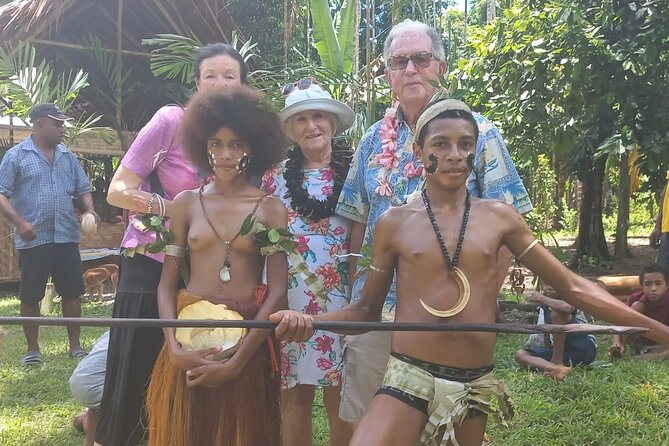
The experience is advertised at about four hours, starting at 9:00 am. That is enough time for a compact tour of Alotau, the drive out, a village visit, and the return to your ship, but it is not enough for long stays at each stop.
A likely rhythm is:
- Alotau local market and craft market
- Massim Museum
- War memorial and brief war history
- Town lookout
- Drive to a local village
- Village activities, food, and conversation
- Return toward the ship
The exact length of each stop can change. The village drive alone may take a substantial part of the morning, especially if road conditions slow the vehicle. Keep your watch handy and tell the guide if you have a firm ship departure time.
Pickup is offered, and the tour information says you return to the ship. One account describes meeting the company outside the port, so confirm the exact pickup point and timing before the morning of the tour. A mobile ticket is provided, which is useful if you are managing several shore activities.
Is $80 a fair price for this Alotau tour?
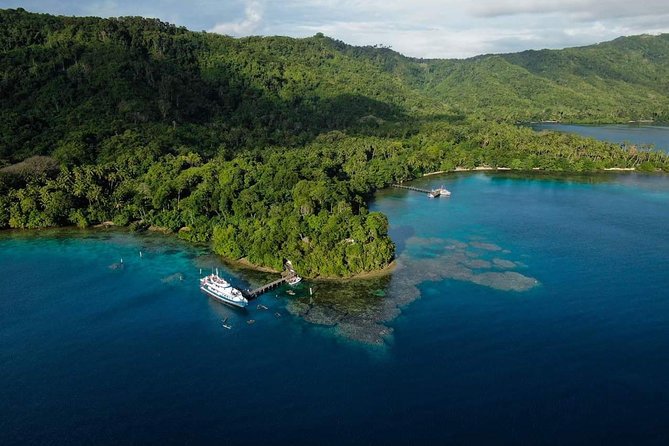
At $80 per person, the price is reasonable if you value access to a village, local guiding, food, transport, and several Alotau stops in one morning. It is less attractive if you mainly want a comfortable ride or a long, detailed town tour.
The value comes from the range of experiences. You are not paying only for a lookout or museum entrance. The outing combines local markets, cultural displays, war history, a rural community, demonstrations, fruit, coconut juice, and a traditional meal.
Admission to the listed stops is free, so the price mainly covers guiding, transport, coordination with the village, and the food experience. That makes the condition of the van especially important. If the vehicle is comfortable and runs properly, the package offers a useful introduction to Alotau. If transport is in poor shape, the price can feel high for a short tour with only about two hours of substantial activity, as one disappointed participant calculated.
I would ask three questions before paying:
- What type of vehicle is scheduled?
- Is air conditioning working?
- How many people are booked for the departure?
Those answers will help you judge the value more accurately than the price alone.
Comfort, toilets, and practical preparation
Basic facilities are part of the deal. One account specifically warns that toilet facilities may be nonexistent, so use a restroom before departure and plan for limited facilities at the village. The tour requires good weather, and poor conditions can lead to a different date or a full refund.
Wear light, practical clothing and shoes that can handle uneven ground. The tour includes a village visit, gardening, climbing-related activity, and a rough drive, so this is not the place for delicate footwear or formal clothes.
Bring water, sun protection, and any personal medication you need during the four-hour outing. Fresh coconut juice is provided, but you should not assume it replaces your normal water supply. A small bag is easier than a large one when moving between a vehicle, town stops, and the village.
The tour information says most people can participate, but it does not give detailed accessibility information. If you have mobility concerns, ask the operator about the vehicle, road surface, village paths, and distance between stops before booking.
What the strongest parts of the experience are
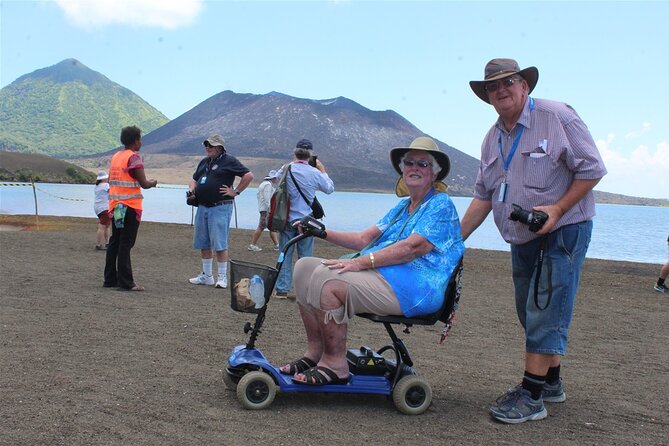
The best feature is the chance to see ordinary skills in practice. Fire making, basket weaving, gardening, cooking, and house building give you something more useful than a short dance show or a line of souvenir stalls.
The second strong point is the welcome. The accounts of attentive guides, friendly local people, and children speaking English suggest that the social side can be warm and memorable. The French-language account also praised the guide as attentive, capable, and kind.
The third is the variety. In four hours, you cover town commerce, crafts, museum displays, war history, a lookout, and village routines. You will not study any one subject in great depth, but you get a broad introduction to Alotau and its surrounding communities.
The weak point is consistency. One account describes an excellent operator and easy communication, while others describe a dirty van and poor ventilation. The operator apologized for one vehicle problem and explained that a mechanical issue caused the substitution. That response is helpful, but it does not remove the need to confirm your own transport.
Who should book this experience?
I would recommend it to you if you want a direct look at local life and can handle basic conditions. It is a good match for people who prefer meeting communities, tasting local food, and seeing practical skills rather than spending the entire morning inside formal attractions.
It also suits cruise passengers who want several Alotau highlights in one shore outing. The pickup, four-hour length, and return toward the ship make the schedule manageable, provided your ship timing allows enough room for delays.
I would think twice if you need dependable air conditioning, clean modern transport, easy toilet access, or a small private group. You may also be disappointed if you expect a polished cultural show or a detailed museum tour. The real appeal is its rougher, more immediate look at village life.
Should you book Aioni Tours?
Book this tour if your priority is authentic contact with local people and a broad introduction to Alotau. The village activities, traditional food, craft work, and friendly welcome give the morning real substance for $80.
Before booking, contact Aioni Tours about the vehicle and expected group size. If the transport arrangements are sound, this can be one of the more memorable ways to spend a short visit to Alotau. If comfort is your top concern, choose a different outing or make sure your expectations are firmly set.
Free cancellation is available up to 24 hours before the 9:00 am start. Changes or cancellations inside that window are not accepted, and poor weather may lead to a new date or a full refund.
FAQ
How long is the Cultural and Local Village Experience in Papua New Guinea?
The experience lasts about four hours.
What time does the tour start?
The scheduled start time is 9:00 am.
Where does the tour take place?
The tour takes place in and around Alotau, Papua New Guinea.
Does the tour include pickup?
Yes. Pickup is offered.
What town sights are included?
The outing includes the local market, craft market, Massim Museum, war memorial, town lookout, and a brief war history tour.
What happens at the local village?
You can see traditional cooking, coconut husking, coconut climbing, basket weaving, fire making, house building, and gardening. You also meet local people.
Is food included?
Yes. The village visit includes fresh coconut juice, fruit, and a traditional meal.
How much does the experience cost?
The listed price is $80 per person.
How large can the group be?
The activity can have a maximum of 90 participants.
Can I cancel for a full refund?
Yes, if you cancel at least 24 hours before the experience start time. Cancellations made less than 24 hours before the start are not refunded.
Just added around the Pacific Islands
- Upolu: Private Tour – Beach, Waterfall & Ocean Trench★ 5.0 · 3 reviews
- iconic waterfall tour★ 4.5 · 12 reviews
- Yasawa Islands Explorer Cruise with Lunch★ 3.5 · 26 reviews
- Round The Island Day Trip Fiji- Viti Levu★ 5.0 · 17 reviews
- Waterfalls and Nature Tour★ 4.5 · 9 reviews
- Discover Fiji Best Sights Tour from Lautoka wharf Cruise Ships★ 4.0 · 5 reviews
- Ultimate Shark Encounter Two Tank Dive at The World Famous Beqa Lagoon★ 5.0 · 18 reviews
- Skydive Fiji Radical 10000ft Tandem Jump (30 seconds free fall)★ 5.0 · 12 reviews
Cultural Village Tours, compared.
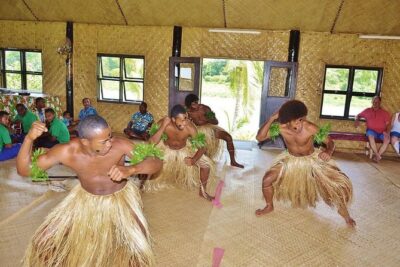
Jewel Of Fiji incl Fijian Village, waterfall & Lunch(Nadi Hotels)
Read the full review →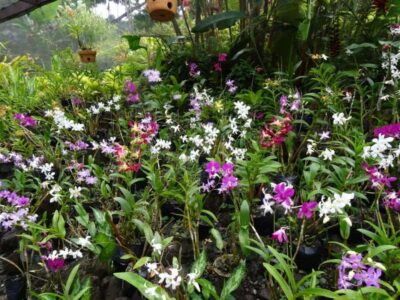
Garden Village Hot Spring & Temple Highlights Tour
Read the full review →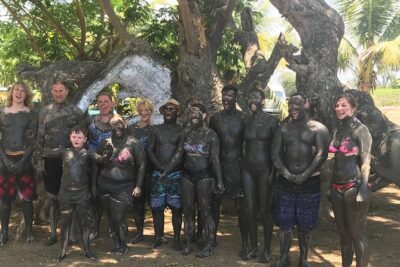
CFC Hot Spring Mud Pool,Garden Of Sleeping Giant And Village Visit Half Day Tour
Read the full review →
ATV Quad Bike Adventure Tour to Remote Village and School (Departs Nadi)
Read the full review →
Vuda Lookout, Vesisei Village, Market, Temple & Garden of Sleeping Giant Tour
Read the full review →
Nadi Sightseeing Including Viseisei Lookout, Village Tour, Garden & Temple Tour
Read the full review →
Fijan Culture Night Tour with Dinner & Kava Ceremony
Read the full review →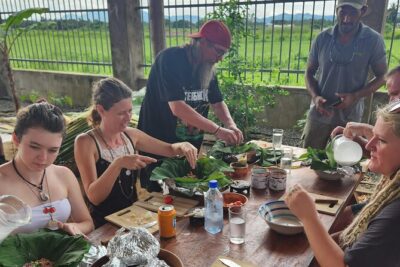
Vavavi – Fijian Cooking & Cultural Experience
Read the full review →Browse the lists this tour appears in