
Reviewed · HIKING & TREKKING
11 Day Kokoda Trek Australian and Local Guides
The Kokoda Track is not a gentle history tour. It is a hard, muddy, emotional crossing of Papua New Guinea’s Owen Stanley Ranges, where WWII battle sites appear between steep ridges, rivers, villages, and jungle camps. The 11-day pace gives you more time than a fast Kokoda itinerary, with Australian and local guides sharing both military history and local knowledge.
I like the small maximum group of 14, which should make it easier to get advice on the trail and form a proper team. I also like the balance of nine camping nights and two hotel nights, plus meals, permits, flights, and transfers included in the price. The main caution is simple: this is a serious physical challenge, not a scenic stroll. You need strong fitness, patience with wet conditions, and a willingness to sleep in tents for most of the trip.
Key points to know before booking
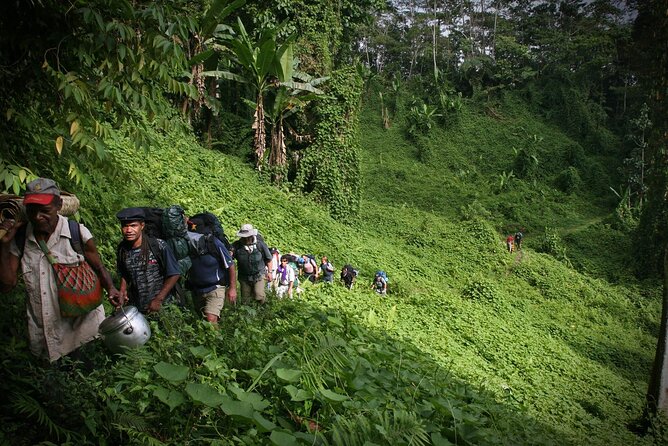
- The track follows major WWII sites, including Isurava, Eora Creek, Brigade Hill, and Imita Ridge.
- The highest point is Mt Bellamy at 2,190 metres, reached after a demanding climb from Templeton’s Crossing.
- A maximum of 14 trekkers allows for closer support from the guiding team.
- The package includes domestic flights, permits, transfers, tents, cooking gear, and trail food, which removes much of the planning burden.
- Local village contact is part of the route, with an optional Seventh-day Adventist church service on the local Sabbath.
- The final days are tough, with swampy ground, river crossings, long descents, and the steep climb over Imita Ridge.
What the 11-day Kokoda route feels like
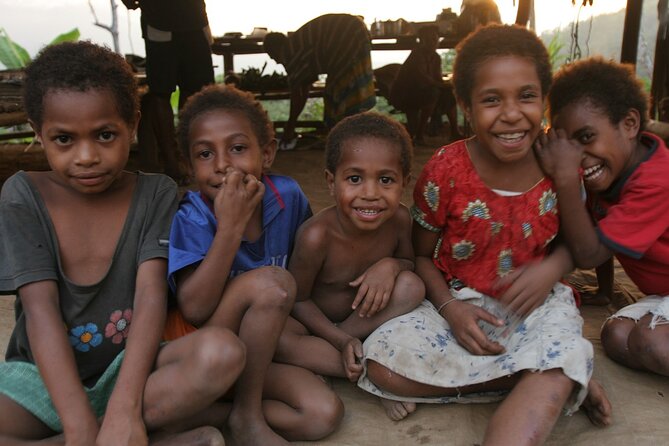
Kokoda is often reduced to a battlefield name. On this route, it becomes a full physical journey through the Owen Stanley Ranges. You walk the same broad corridor used during the WWII campaign, but the experience is not only about military events. Villages, church life, porters, cooks, guides, rain, mud, and camp routines all shape the trip.
The route moves from Popondetta toward Owers’ Corner. Along the way, you cross ridges and valleys rather than following one steady trail. Some days bring long climbs. Others involve slippery descents, streams, swamps, or river crossings. The variety keeps the walk interesting, but it also means you cannot judge the difficulty by distance alone.
The guides matter here. Australian guides can help explain the Australian side of the campaign, while local guides add a direct connection to the villages and terrain. One guide singled out by name in the available feedback is Robyn, praised for her care and support. Andrew is also connected with the Kokoda guiding team. Guide assignments can change, so confirm the current team before booking if a particular guide matters to you.
More hiking tours in the Pacific Islands:
- Half-Day Guided Hike to Afareaitu Waterfall
★ 5.0 · 177 reviews - ADVENTURE KOKODA 10-Day Premium Kokoda Campaign Trek Australian Led
★ 5.0 · 66 reviews - Private Breathtaking Koroyanitu Half Day Waterfall Hike
★ 5.0 · 49 reviews
Day 1: Port Moresby arrival and the Hilton briefing
The first day is deliberately easy. Pickup is offered from Jackson Field in Port Moresby, with the listed start time at 9:00 am. You are taken to the Hilton Hotel, where the guide gives a briefing that evening.
This hotel night is useful. You can recover from international flying, sort your trekking kit, and hear how the days will work before reaching the track. Since the first night includes dinner except for one meal that is not covered, budget for your first-night dinner.
The Hilton is also one of the two hotel nights included in the package. That matters because most of the journey is under canvas, not in a lodge. Use the first evening to ask practical questions about water, clothing, packs, camp routines, and the expected pace.
Day 2: Flying to Popondetta and entering the track
The journey begins with a 7:00 am flight from Port Moresby to Popondetta, a flight of about 30 minutes. From there, the group travels along the rough route associated with the Japanese Imperial Forces during WWII.
This opening transfer helps you understand the scale of the trip. You are not simply arriving at a marked attraction. You are moving into a remote trekking corridor where road travel can be bumpy and slow. Keep your expectations flexible. The day involves transport as well as the start of the walking journey, so it may feel busy even before the hardest climbs begin.
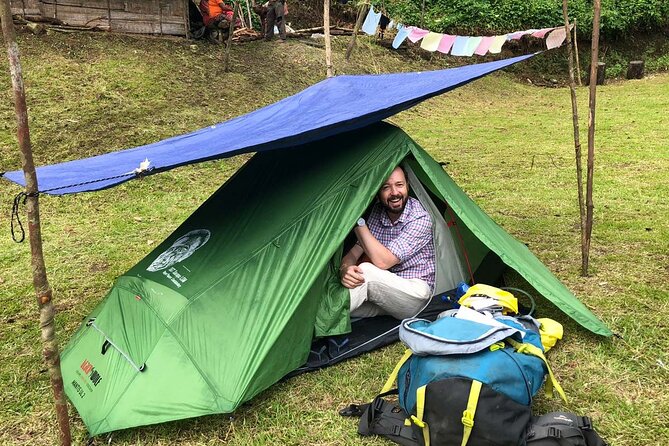
The first trail hours set the tone for the rest of the trip. You will want sturdy footwear, a pack you can carry comfortably, and clothing that handles wet ground. The tour supplies tents, cooking and eating equipment, and trail food, but personal comfort still depends heavily on what you bring.
Day 3: Isurava and the emotional centre of the route
After breakfast, you break camp and walk toward Alola. The major stop is the Isurava Battlefield Memorial, opened in August 2002. This is one of the most significant places on the track, and the guide’s explanation can give meaning to the ridges and jungle around you.
Isurava is valuable because it connects the physical hardship of the trail with the people who fought and died here. You are not reading about a distant event in a museum. You are standing on a difficult section of ground and considering what it demanded from soldiers and local carriers.
The walk to Alola also gives you an early sense of the daily rhythm: breakfast, pack-up, walking, historical stops, village or camp arrival, and a hot meal prepared by the team. Nine included dinners and nine lunches reduce the need to carry extensive food, which is a real benefit on a route where every extra item adds weight.
Same island, a completely different day on the water:
- Cruisin Fiji: Authentic Fijian Day Cruise – Best Day in Fiji
★ 5.0 · 2,409 reviews - From Palau: La Maddalena Archipelago Day Tour by Boat
★ 4.2 · 2,291 reviews - Moorea 6-Hour Snorkeling and Lunch Shared Tour
★ 5.0 · 1,758 reviews - Half-Day Muri Lagoon BBQ Lunch Cruise including Snorkeling
★ 5.0 · 1,518 reviews
Day 4: Eora Creek and Templeton’s Crossing
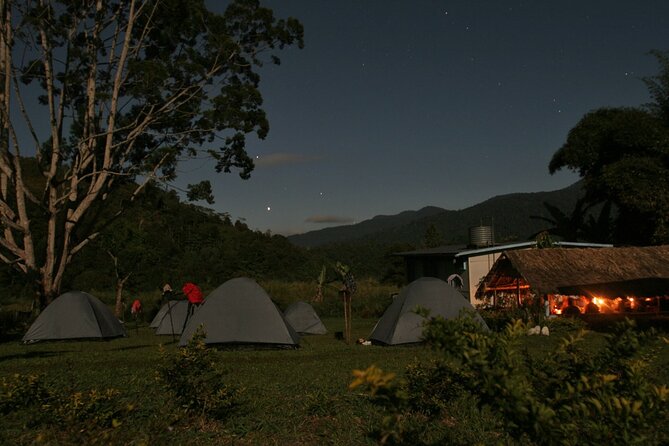
The route from Alola to Templeton’s Crossing 1, also called Dump 1, passes the historic site of Eora Creek. This is one of the longer days, so you should expect the hours on foot to test your legs.
Eora Creek adds another layer to the military story. The setting is difficult to reach, and the route’s climbs and wet sections help explain why the Kokoda campaign was so demanding. The combination of a serious walking day and a major historical site makes this one of the trip’s defining stages.
Templeton’s Crossing sits at the base of Mt Bellamy. Reaching camp here is not the end of the work, but it positions you for the highest point on the following day. I would treat this as a day for steady pacing rather than trying to prove anything early. The group has many days ahead, and controlled effort is more useful than a fast start.
Day 5: Mt Bellamy and the Kokoda Gap
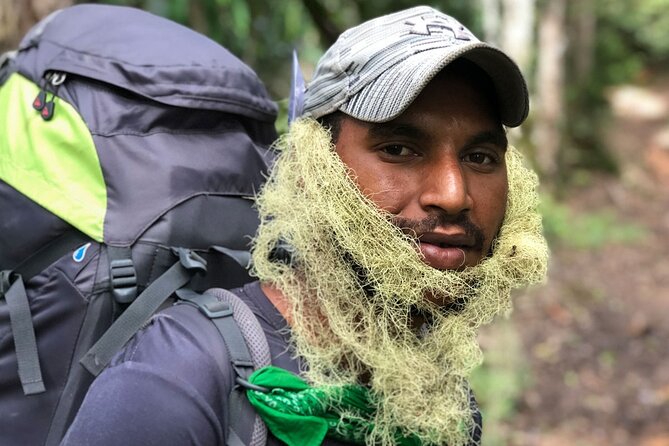
From Templeton’s Crossing 1, the track rises toward Mt Bellamy, the highest point on the Kokoda Track at 2,190 metres. The climb is difficult, but the reward is the Kokoda Gap and its broad views.
This is the sort of day that makes the trek feel like a mountain crossing rather than a battlefield walk. The ascent demands steady breathing and patience. At the top, the views offer a break from the enclosed feel of the forest and show how much ground you have covered.
Do not assume the highest point is the hardest moment of the entire trek. Later days include long descents, swampy sections, river crossings, and Imita Ridge. Still, Mt Bellamy is a major physical marker, and reaching it can provide a useful boost for the second half of the route.
Day 6: A Sabbath service and a different side of PNG
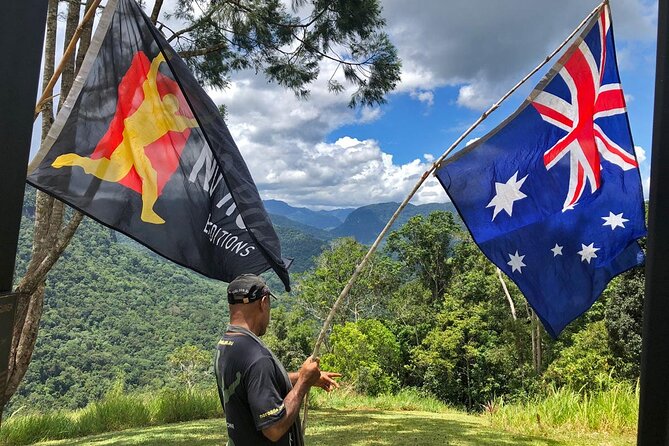
Day 6 coincides with the local Sabbath observed by the Seventh-day Adventist community. You are invited to attend a church service if you wish. The service offers a chance to hear local singing and experience community life away from the battlefield story.
This optional visit is one of the more distinctive parts of the route. A trek can easily become a cycle of walking, eating, and sleeping. Spending time in a village church gives you another way to understand the communities along the track.
You should approach the invitation with respect. It is not a staged cultural show. It is a local religious gathering, and your conduct should reflect that. If you prefer to rest, the service is optional, so you are not forced to add another activity to a demanding itinerary.
Day 7: Kagi, Brigade Hill, and Menari
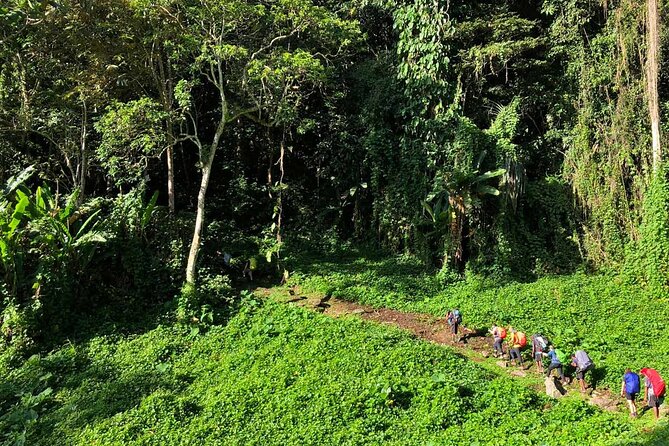
The walk from Kagi to Menari begins with an ascent of Brigade Hill. This is both a significant wartime site and a serious climb, making it one of the route’s most memorable sections.
From the summit, the track descends toward Menari. That change from uphill effort to downhill strain can catch you off guard. Descents are not always easier, especially after several days of walking. Your knees and feet may need as much care as your lungs.
Brigade Hill is also a place where the guide’s storytelling matters. The physical shape of the ridge helps you picture why the area mattered during the campaign. The location links the decisions made during the war with the effort needed to reach it today.
Day 8: Menari to Nauro through swamp and crossings
The day from Menari to Nauro starts with a steep climb over a saddle. After that, you descend toward lower ground, where swampy terrain and several river crossings change the pace.
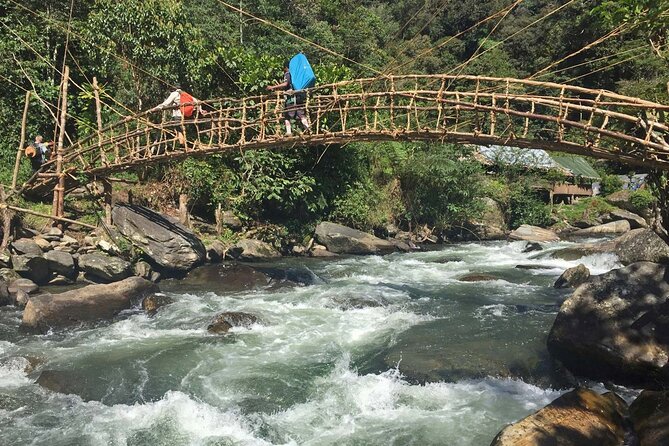
This is a day when waterproofing becomes practical rather than optional. Keep important items protected inside your pack, and expect your footwear to get wet or muddy. The route description does not give a fixed crossing method or water depth, so conditions can vary.
The shift from ridge to lowland gives the trek welcome variety. It also prevents you from settling into one walking style. You need care on the climb, balance on the descent, and attention near water. The group size of 14 should help the guiding team manage these changes, but you still need to watch your own footing.
Day 9: Maguli Range and Wa-ule Creek
From Nauro, the group climbs through open grassland toward the Maguli Range. After reaching the top, you face a long, steep descent through dense jungle to the campsite at Wa-ule Creek.
This may be one of the most tiring days because the descent comes after the climb and continues for a long time. A good walking rhythm is more important than speed. Short, regular breaks can help you arrive at camp with enough energy to eat, clean up, and prepare for the next day.
The change from open grassland to dense jungle is also one of the route’s strongest visual shifts. You get a sense of how quickly the terrain changes in the Owen Stanley Ranges. At Wa-ule Creek, the campsite brings another night of tent living before the final push.
Day 10: Wa-ule Creek, Imita Ridge, and Owers’ Corner
The last day on the track begins with several river crossings. Then comes the long, steep ascent of Imita Ridge, the final major challenge before Owers’ Corner.
It is a fitting finish. You do not simply walk downhill to a waiting vehicle. The route asks for one last hard effort, and the ridge gives the end of the trek a clear physical marker. Once you reach the other side, you can look back on the full chain of climbs, descents, crossings, camps, and historical sites.
The tour includes transfers, so the group can continue after reaching Owers’ Corner according to the planned arrangements. The exact post-trek schedule is worth confirming before departure, especially if you are arranging onward flights.
Day 11: Breakfast and the journey home
After breakfast on Day 11, you head home. The two included hotel nights provide some comfort around the trek, though the supplied schedule does not spell out every hotel transfer or the exact timing of your departure.
Give yourself a little flexibility when arranging international travel. The experience includes domestic flights and transfers, but the provided information does not promise a specific international connection time.
Camping, food, and what the price covers
The price is $3,442.77 per person. That is a significant sum, but the package covers many costly and complicated parts of a Kokoda trip: two hotel nights, permits, domestic flights, all transfers, tents, cooking and eating equipment, and food on the trail.
You also receive 10 breakfasts, nine lunches, and nine dinners. One dinner on the first night is excluded. The food is described as hearty local fare, which is exactly what you need after long days on foot. You should still check whether you need to bring personal snacks or special dietary items, since no dietary arrangements are specified.
The value is strongest if you want a supported expedition rather than a trip assembled piece by piece. A smaller group, Australian and local guides, transport, equipment, and meals can save considerable planning time. The price does not include international airfares, travel insurance, or tips for the local team, so add those costs before deciding.
Who should book this Kokoda trek?
This trip suits you if you want a serious physical challenge with historical purpose. It is a good match for people who enjoy group trekking, can manage steep ascents and descents, and are comfortable with nine nights in tents.
It also suits anyone who wants more than a battlefield label. The Isurava memorial, Eora Creek, Brigade Hill, and Imita Ridge give the route a strong WWII focus, while the villages and optional church service bring you into contact with present-day PNG life.
I would not choose it if you want a soft adventure, private rooms each night, or a tightly predictable schedule. The track is rugged, the transfer from Popondetta is described as bumpy, and several days are plainly demanding. You must also arrange international flights and travel insurance yourself.
The maximum group size of 14 is a useful middle ground. It is small enough for personal attention without making the trip feel like a private expedition. The strongest praise connected with the experience focuses on teamwork, local guide support, good food, and the sense of achievement after overcoming each obstacle. Those are the right reasons to book, provided you are ready for the work involved.
Should you book it?
Book this trek if you want to walk through Australia’s WWII story rather than simply read about it, and if you are prepared for mud, steep ground, camping, and long days. The 11-day schedule gives you time to absorb the sites and villages instead of racing across the track.
Before paying, confirm the current guide team, the exact hotel nights, meal arrangements for any special diet, and the transfer plan after Owers’ Corner. If your fitness is strong and the history matters to you, this package offers a well-supported way to take on one of the world’s most demanding historic walks.
Free cancellation is available up to 24 hours before the experience start time for a full refund. Cancellations or changes made less than 24 hours ahead are not accepted for a refund.
FAQ
How long is the Kokoda trek?
The experience lasts approximately 11 days, including arrival in Port Moresby, the trek, and the departure day.
Where does the experience start?
The listed meeting point is Jackson Field in Port Moresby, Papua New Guinea, with a stated start time of 9:00 am. Pickup is offered.
How large is the group?
The maximum group size is 14 trekkers.
What accommodation is included?
The package includes two nights at the Hilton Hotel and nine nights camping on the trail.
Are meals included?
Yes. The package includes 10 breakfasts, nine lunches, and nine dinners. One dinner on the first night is not included.
What is not included in the price?
International airfares, travel insurance, and tips for the local team are not included.
Just added around the Pacific Islands
- Upolu: Private Tour – Beach, Waterfall & Ocean Trench★ 5.0 · 3 reviews
- iconic waterfall tour★ 4.5 · 12 reviews
- Yasawa Islands Explorer Cruise with Lunch★ 3.5 · 26 reviews
- Round The Island Day Trip Fiji- Viti Levu★ 5.0 · 17 reviews
- Waterfalls and Nature Tour★ 4.5 · 9 reviews
- Discover Fiji Best Sights Tour from Lautoka wharf Cruise Ships★ 4.0 · 5 reviews
- Ultimate Shark Encounter Two Tank Dive at The World Famous Beqa Lagoon★ 5.0 · 18 reviews
- Skydive Fiji Radical 10000ft Tandem Jump (30 seconds free fall)★ 5.0 · 12 reviews
Hiking & Trekking, compared.
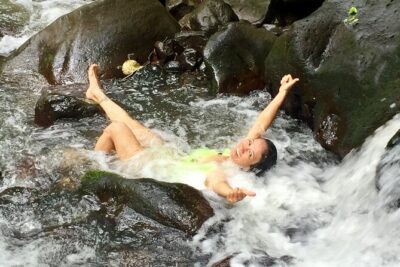
Half-Day Guided Hike to Afareaitu Waterfall
Read the full review →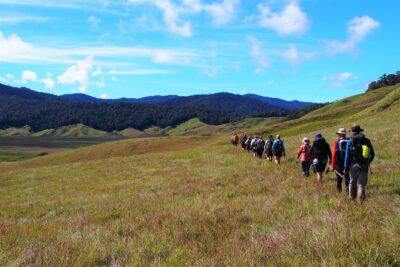
ADVENTURE KOKODA 10-Day Premium Kokoda Campaign Trek Australian Led
Read the full review →
Private Breathtaking Koroyanitu Half Day Waterfall Hike
Read the full review →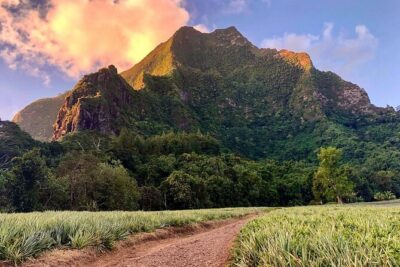
Private Day Trip Hike and Boat in Moorea
Read the full review →
Small Group Hiking Adventure – Hidden Peaks
Read the full review →
Nguna Island Full Day Hike and Snorkeling Adventure from Port Vila Vanuatu
Read the full review →
Private Half-Day Hike in the Opunohu Valley in Moorea
Read the full review →
Koroyanitu National Heritage Park Fiji – Hike – Waterfall
Read the full review →Browse the lists this tour appears in