Reviewed · TOURS
Eastcape Drive Tour
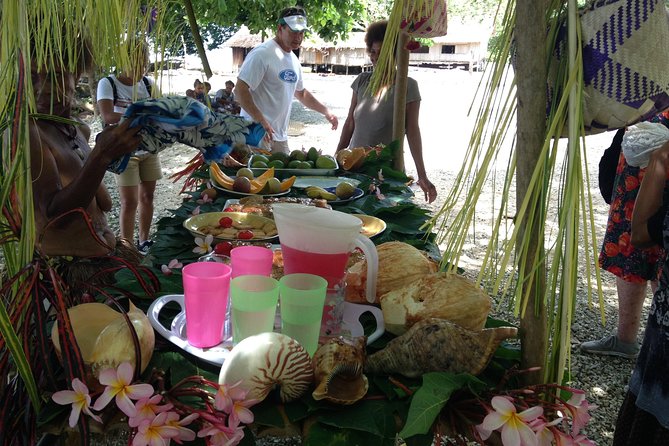
The most memorable part of this Alotau tour is its look at everyday village life. You do not simply drive past coastal communities. You may help with food gathering, cooking, weaving, cleaning, construction, and climbing, then sit down to a simple meal of taro, yam, banana, and fruit. The visit to the skull cave adds a darker, more unusual layer, with local stories about cannibalism.
I like the coastal drive and the chance to meet people in a setting that feels less staged than a standard town excursion. I also like the private-tour format on paper, since it should let your group set the pace and ask questions directly. The main caution is consistency: some departures have used an uncomfortable older bus rather than a private car, one group reported no guide arriving, and the experience can feel expensive if the promised inclusions are not delivered.
Key points to know before you book
- Village visit with hands-on activities: You may take part in food preparation, weaving, cleaning, construction, and other daily tasks.
- East Cape road trip: Expect about an hour of driving from the village area toward the skull cave, with coastal views and many small settlements along the way.
- Local meal included in the intended experience: Taro, yam, banana, and fruit are part of the planned village meal.
- Private booking, but confirm the vehicle: The tour is sold as private, yet some departures have used shared or older buses.
- History beyond postcard scenery: The guide discusses cannibalism, the skull cave, and Papua New Guinea’s wartime past.
- Best for active sightseers: A moderate fitness level is required, and road conditions can make the ride tiring.
Alotau to the East Cape: the road is part of the tour
The tour begins at 9:00 a.m. in Alotau and returns to the same meeting point. The drive itself is a major part of the experience. You pass through small villages, see coastal scenery, and watch daily life unfold beside the main road.
This is not a polished sightseeing route with one famous monument after another. The appeal is in the changing view from the vehicle: homes, village activity, tropical greenery, and the water along the coast. A guide can add useful context as you go, especially if you ask questions about local customs and village life.
Allow roughly five hours for the advertised experience, though the itinerary also calls it a full-day tour. That difference matters if you are visiting Alotau during a cruise stop or have another activity planned. I would leave a generous buffer around the 9:00 a.m. start and return time.
Road conditions are another practical concern. Construction has been reported along the road to East Cape. You may spend a good deal of the outing seated in a vehicle, sometimes on rough or slow-moving sections. If you dislike long drives, the cultural stop needs to be the main reason you book.
Other the Pacific Islands days people book alongside this one:
- Cruisin Fiji: Authentic Fijian Day Cruise – Best Day in Fiji
★ 5.0 · 2,409 reviews - From Palau: La Maddalena Archipelago Day Tour by Boat
★ 4.2 · 2,291 reviews - Moorea 6-Hour Snorkeling and Lunch Shared Tour
★ 5.0 · 1,758 reviews
A village visit built around daily work
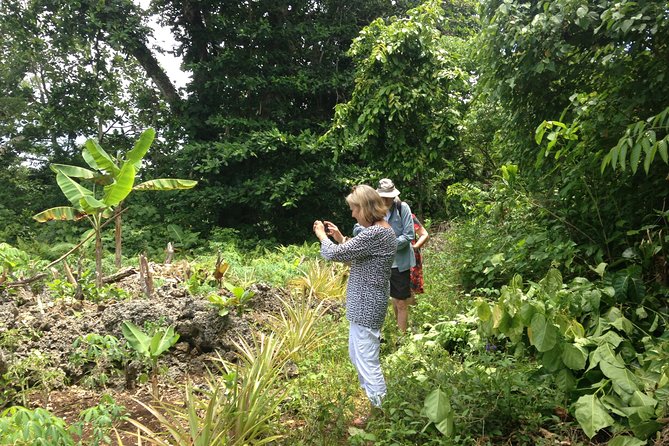
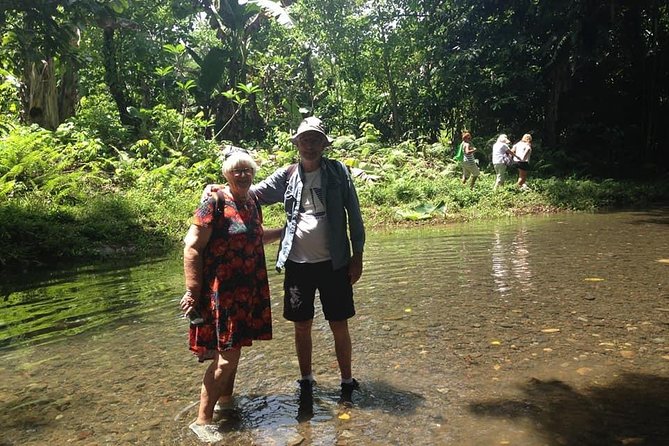
The local village is about 30 minutes from Alotau, according to the tour details. Here, you are introduced to ordinary tasks rather than being shown only a performance. The planned activities include food gathering, cooking, weaving, cleaning, construction, and climbing.
That hands-on approach is the strongest reason to choose this tour. You get a clearer idea of how food is prepared and how practical skills fit into village life. The experience also gives you a chance to speak with local people, with English commonly used in the area.
The visit is not a museum presentation, so expectations matter. You should not expect a large cultural center, detailed exhibits, or a tightly timed show. Instead, the value comes from seeing and trying simple activities in a real village setting.
Bring a camera, as the tour itself suggests, but use good judgment. Ask before photographing people, homes, food preparation, or sacred places. The village visit is more rewarding when you treat it as an exchange rather than a photo stop.
Taro, yam, banana, and fruit at lunch
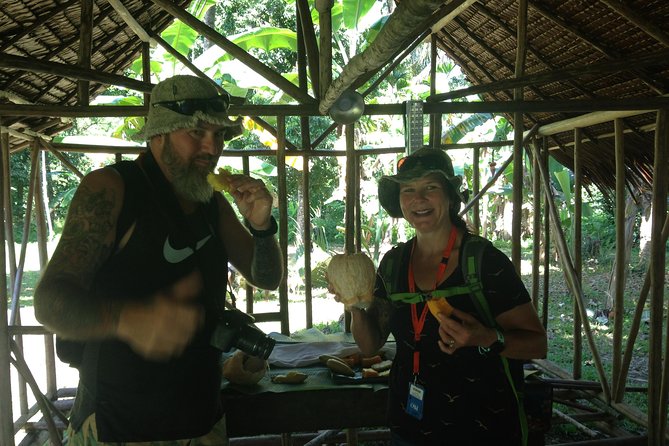
A typical meal is one of the tour’s most appealing features. The planned food includes taro, yam, banana, and fruit. These are basic ingredients, but they give you a direct taste of local cooking and farming.
One especially positive account described the meal as prepared and cooked for the group at the cultural village. That detail is important because it connects the food to the activities you have just seen. You are not merely handed a packaged lunch. You can see how local ingredients become a shared meal.
Still, confirm what is included when you book or meet the guide. At least one departure was criticized because no food was provided. That conflicts with the advertised experience, so it is sensible to clarify the lunch arrangement in advance, especially if you have dietary needs.
You should also carry water and a small snack. The tour lasts several hours, the driving can be slow, and food service may not be consistent on every departure.
The skull cave and stories of cannibalism
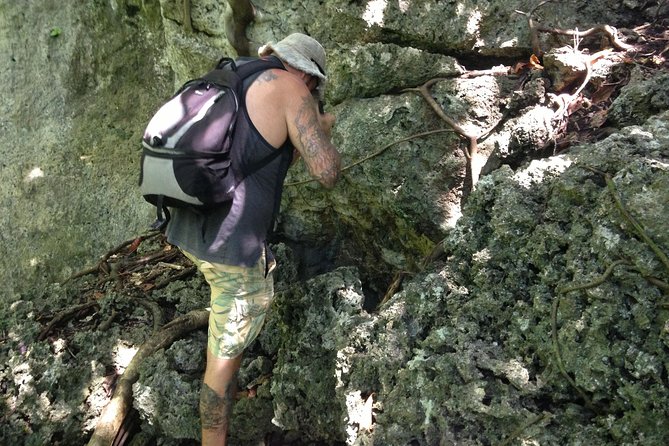
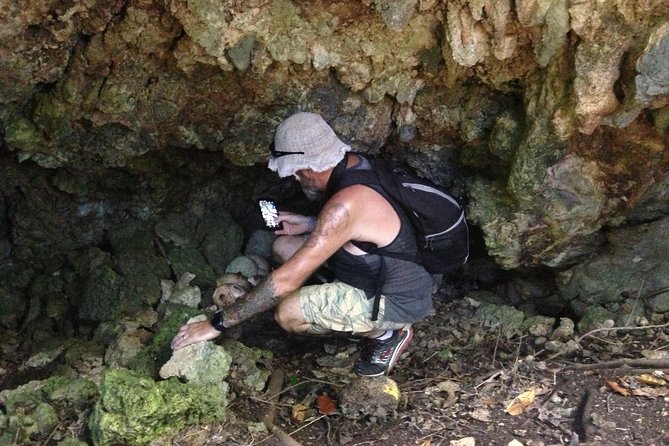
The drive from the village to the skull cave takes about an hour. This section adds a more serious tone to the day. You hear about earlier practices of cannibalism and the beliefs or customs connected with human remains.
The skull cave is unusual, but it may not be a polished attraction. One account noted an extra charge of $5 to take a photograph. If photography matters to you, ask about that fee before entering or taking pictures.
You should approach this stop with respect. The subject can be confronting, and the cave may feel more like a culturally important place than a standard sightseeing attraction. A good guide should explain the history without turning it into a sensational story.
The cave also shows why a local guide matters here. Without context, you see a dark opening and perhaps human remains. With explanation, you can better understand why the place is significant and how local memory preserves difficult parts of the past.
Same island, a completely different day on the water:
- Half-Day Muri Lagoon BBQ Lunch Cruise including Snorkeling
★ 5.0 · 1,518 reviews - From Palau: La Maddalena Archipelago Boat Tour with Pasta
★ 4.0 · 1,510 reviews - Full Day Lagoon Group Tour in Bora Bora with Lunch
★ 5.0 · 1,423 reviews - Jet Boat Safari on the Sigatoka River
★ 5.0 · 1,135 reviews
Milne Bay history beyond the village
The tour also includes the Milne Bay War Memorial, placing the East Cape journey within Papua New Guinea’s wartime story. Milne Bay was an important area during the Second World War, and this stop offers a change of focus after the village visit and cave.
The available details do not specify how long you spend at the memorial or what transport arrangements apply there. Still, it is a worthwhile addition for anyone interested in military history. It gives the day more range than a simple scenic drive.
The experience is at its best when these parts connect: village life, local beliefs, coastal geography, and wartime history. You get a broader sense of the region instead of seeing only one attraction.
Markets, crafts, and local buying
A local vegetable and craft market is another planned stop. This gives you a chance to see produce used in everyday cooking and browse handmade items.
Do not expect a large commercial market with a wide range of shops. The appeal is local scale. You may find vegetables, simple crafts, and a more direct look at how people buy and sell goods in the area.
If you want to purchase something, carry small amounts of local currency if possible, though the supplied details do not state which payment methods are accepted. Ask before taking photographs of sellers or their goods.
This stop can also help break up the long drive. After time in the vehicle, getting out to walk around and browse makes the day feel less repetitive.
The private-tour promise and the vehicle question
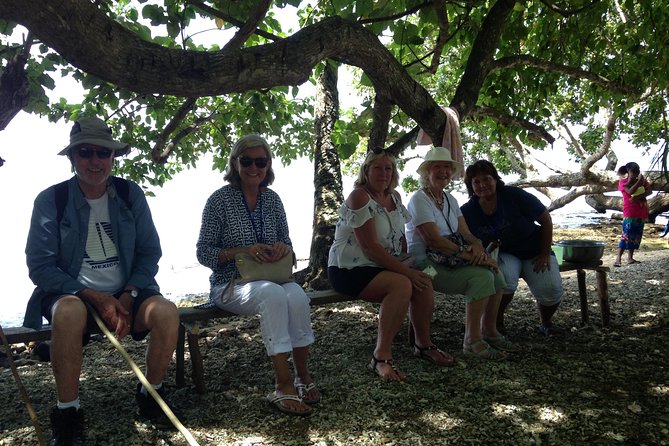
The tour is described as private, meaning only your group should participate. That can be a real advantage in Alotau. You can ask more questions, spend longer at a village activity, and avoid being tied to a large group’s pace.
However, the transport arrangements deserve careful attention. Some customers were placed in an older bus that could hold around 10 people, while another account described a small, dirty, uncomfortable vehicle. The operator explained that a bus problem led to substitute transport on at least one occasion.
This does not mean every departure has poor transport. It does mean you should confirm the vehicle before setting out, especially if you are paying for a private experience. Ask whether the vehicle will be used only by your group and whether pickup is at the Alotau meeting point or another location.
There was also a reported no-show, with the guide failing to arrive and phone calls unable to resolve the problem. That is a serious reliability concern. Confirmation is sent at booking, but I would still reconfirm the meeting time and pickup details before the tour date.
Is $157.79 good value?

At $157.79 per person, this is not a cheap half-day outing. The price can make sense if you receive private transport, a local guide, the village program, the meal, the cave visit, and the historical stops as described.
The value is strongest for a small group that wants cultural contact rather than a quick scenic loop. A good day includes a local English-speaking guide, a carefully handled village visit, a meal, and plenty of explanation along the road.
The value drops sharply if you spend most of the time in an uncomfortable shared vehicle, receive no meal, or find that advertised activities such as waterfalls, canoeing, snorkeling, birdlife, or trekking are not part of the actual program. Those activities have been expected by some customers, but they are not listed in the supplied itinerary. Do not book this tour expecting them.
There is also a major price difference between booking platforms and arranging the tour locally, according to one account. Direct booking may cost less, but it can offer fewer protections if transport or pickup fails. The online price may be worth considering if you value advance confirmation and free cancellation, but compare the final inclusions carefully.
Who will enjoy the East Cape Drive
I would recommend this experience to you if you want:
- A local village encounter rather than a standard city tour
- Coastal scenery and a long drive through small communities
- A meal based on local staples
- An introduction to Papua New Guinea’s customs and difficult history
- A private outing with time for questions
- A tour that works as a cruise-day highlight when pickup is confirmed
You may want another option if you need a luxury vehicle, a tightly managed schedule, or guaranteed adventure activities. The road can be slow, the transport may vary, and the tour requires moderate physical fitness.
Wear practical clothing and shoes suitable for walking and village activities. Bring water, sun protection, a camera, and swimwear only if you hope to swim, since one account says swimming may be possible, but swimming is not a firm part of the listed itinerary.
Booking, cancellation, and weather details
The tour offers free cancellation if you cancel at least 24 hours before the local start time. Changes or cancellations made within 24 hours are not accepted for a refund.
The experience depends on good weather. If poor weather causes cancellation, you are offered another date or a full refund. That policy is useful in a place where road conditions and outdoor village activities can be affected by rain.
The booking confirmation arrives at the time of booking. Even so, I would contact Aioni Tours before the day of departure to confirm the guide, vehicle, meeting point, meal, and private status. This is especially important if you are arriving by ship and have a fixed departure time.
Should you book the East Cape Drive?
Book it if your priority is authentic local contact, a scenic East Cape drive, and a chance to learn about village life from an English-speaking guide. The best version of the day includes a warm village welcome, hands-on activities, a memorable meal, and a guide such as Shane who can connect the places to local culture and history.
Proceed carefully if you are booking for a high price and expect polished transport or a long list of activities. Confirm what is operating on your date, ask exactly what vehicle will be used, and verify that lunch is included.
My call: this is a potentially rewarding Alotau experience, but not a carefree one. The cultural content is the reason to book. The transport and operational details are the reason to confirm everything twice.
FAQ
Where does the East Cape Drive Tour start?
The tour starts at Alotau in Milne Bay Province, Papua New Guinea, at 9:00 a.m.
Where does the tour end?
The activity ends back at the meeting point in Alotau.
How long does the tour last?
The listed duration is approximately five hours, although the itinerary also refers to it as a full-day tour. Confirm the expected return time before booking around another activity.
Is hotel or port pickup available?
Pickup is offered, but the supplied details do not specify the exact pickup locations. Confirm your pickup point with Aioni Tours before the tour.
Is this a private tour?
It is described as a private tour, with only your group participating. Because some departures have used substitute buses, confirm whether the vehicle will be exclusive to your group.
What will I see on the tour?
The planned stops and activities include local villages, the East Cape road, a skull cave, the Milne Bay War Memorial, a vegetable and craft market, coastal views, and local village activities.
Is food included?
The planned experience includes a typical meal with taro, yam, banana, and fruit. Since food was not provided on at least one reported departure, confirm the meal arrangements before setting out.
Do I need to be physically fit?
A moderate level of physical fitness is recommended. The day can include walking and hands-on village activities, as well as extended time in a vehicle.
What is the cancellation policy?
You can cancel for a full refund up to 24 hours before the local start time. If poor weather causes the tour operator to cancel, you are offered another date or a full refund.
Just added around the Pacific Islands
- Upolu: Private Tour – Beach, Waterfall & Ocean Trench★ 5.0 · 3 reviews
- iconic waterfall tour★ 4.5 · 12 reviews
- Yasawa Islands Explorer Cruise with Lunch★ 3.5 · 26 reviews
- Round The Island Day Trip Fiji- Viti Levu★ 5.0 · 17 reviews
- Ultimate Shark Encounter Two Tank Dive at The World Famous Beqa Lagoon★ 5.0 · 18 reviews
- Waterfalls and Nature Tour★ 4.5 · 9 reviews
- Discover Fiji Best Sights Tour from Lautoka wharf Cruise Ships★ 4.0 · 5 reviews
- Discover Coral Coast Combo Tour★ 3.5 · 3 reviews
Tours, compared.
Moorea 6-Hour Snorkeling and Lunch Shared Tour
Read the full review →
Full Day Lagoon Group Tour in Bora Bora with Lunch
Read the full review →
5 Hours Tahiti Island Tour – West and East Coast
Read the full review →
Reef Discovery Half Day Group Signature Tour
Read the full review →
Snorkeling excursion, discovery of the lagoon, small group.
Read the full review →
Half day Snorkeling Shared Boat Tour in Bora Bora
Read the full review →
Grand Tour Quad Excursion in Moorea (Single or Two-Seater)
Read the full review →