
Reviewed · FIJI TOURS
Fiji: Kuata Island Marine Conservation Experience Full Day
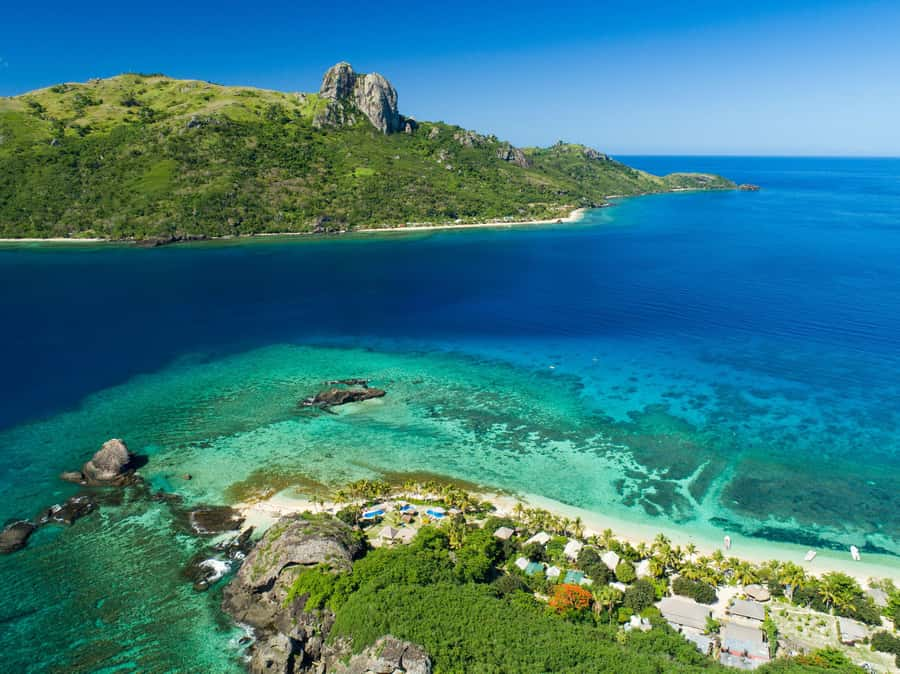
Kuata Island turns a standard island day into a hands-on lesson in Fiji’s sea life. You’ll snorkel through coral gardens with a marine biologist, help with coral regeneration, and examine the intertidal zone at low tide. The small group of no more than 10 makes the teaching feel personal, and the 1-hour-45-minute cruise gives you a fine view of the Yasawa Islands along the way.
I like the mix of real conservation work and easy island pleasure, plus the generous time built around the two guided activities. The buffet lunch and coach transfers also make the $191 price easier to judge. The main drawback is the long day, from an early hotel pickup to a 6:00 PM return, and the trip is not suitable for wheelchair users or people with visual impairments.
Key points to know before you book
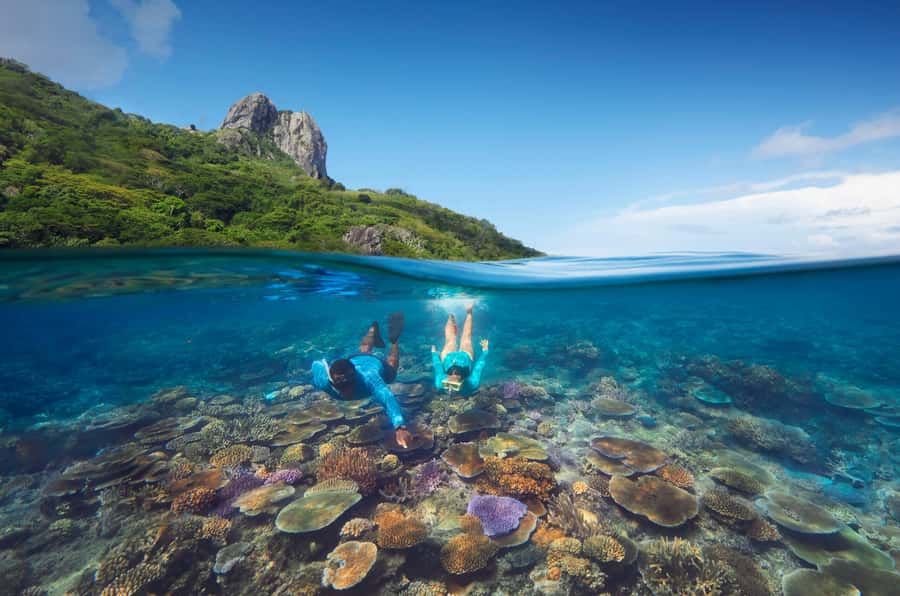
- Coral regeneration is part of the snorkel: You do more than look at the reef. The marine biologist explains the program and includes you in the work during the water session.
- The group is limited to 10 people: This is useful when you want to hear explanations and ask questions without a crowd around you.
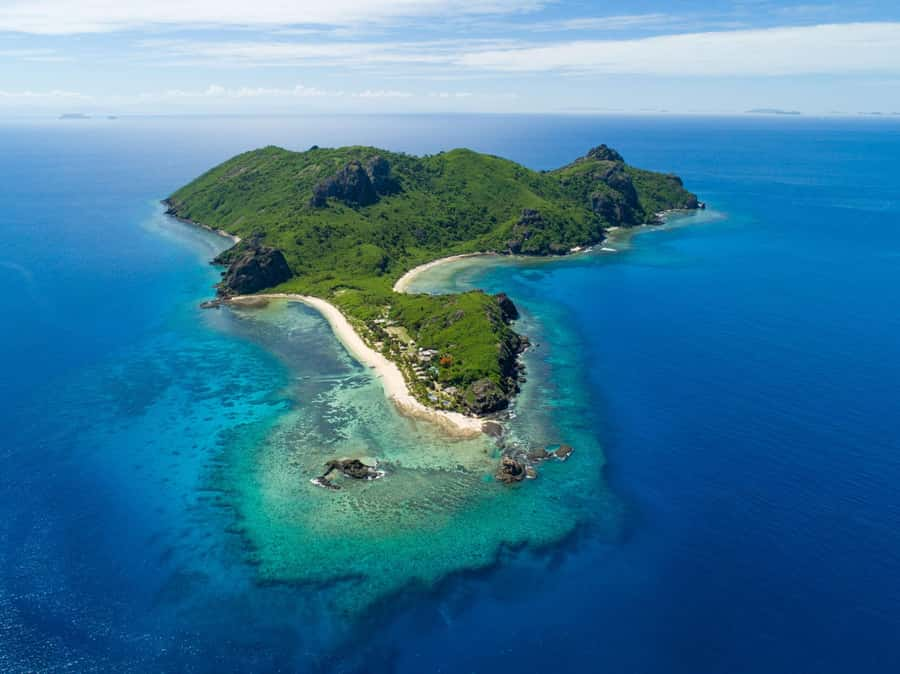
- The boat ride is part of the appeal: The trip includes about 1 hour and 45 minutes of scenic cruising through the Yasawa Islands in each direction.
- Low tide reveals another side of the sea: The intertidal walk focuses on creatures and habitats that are easy to miss from a boat or snorkel mask.
- Lunch is included, drinks are not: A buffet meal is provided at Barefoot Kuata Island Resort, but you pay for drinks separately.
- Plan for a full nine hours: You leave Port Denarau at 8:45 AM and return at about 6:00 PM.
Why Kuata Island is more than a beach stop
Many Fiji island excursions are built around scenery, swimming, and a meal. This one adds a clear purpose: you learn how the marine environment works and take part in a coral regeneration program. That makes the day feel more connected to the place, not just a quick visit to a pretty island.
The setting is Barefoot Kuata Island Resort in the Yasawa Islands. The resort supplies the backdrop, but the focus is the water around it. Your introduction comes from a qualified marine biologist, who explains the local marine environment before you head out to see it.
That order matters. You first get a basic idea of what to look for, then encounter coral gardens and fish with a guide who can point out the details. If you have snorkeled before but never learned much about coral, this should give the activity more meaning.
I also like that the day uses two different coastal habitats. The snorkel takes you below the surface. The low-tide exploration shows you the narrow zone between land and sea. Together, they offer a fuller picture of how island ecosystems function.
A few more days out around Fiji
- Kuata Island Marine Conservation Experience with Lunch
★ 4.5 · 19 reviews - Discover Fijian Culture and Reptiles
★ 5.0 · 4 reviews - Best Way to Interact with Ocean Wildlife with Lunch. 6H
★ 5.0 · 599 reviews
The 8:45 AM departure from Port Denarau
Your vessel leaves Port Denarau at 8:45 AM. Complimentary coach transfers are available from most hotels and resorts in Denarau, Wailoaloa, Nadi, and Vuda, with pickup beginning about 75 minutes before the boat departure.
That early pickup is practical, but check the exact time before the day. The hotel transfer timetable is not the same for every property, so you should not assume the coach arrives at a standard hour.
The cruise to Kuata takes about 1 hour and 45 minutes. This is not simply transport you have to endure before the real activity begins. It is a scenic part of the day, giving you time to see the island chain from the water and settle into the pace of the trip.
The length of the ride is also something to weigh up. If you want the shortest possible route from your hotel to a snorkeling site, this may feel like a lot of boat time. If you enjoy sea travel and island views, the cruise helps make the day feel like a proper Yasawa outing.
Arriving at Barefoot Kuata Island Resort
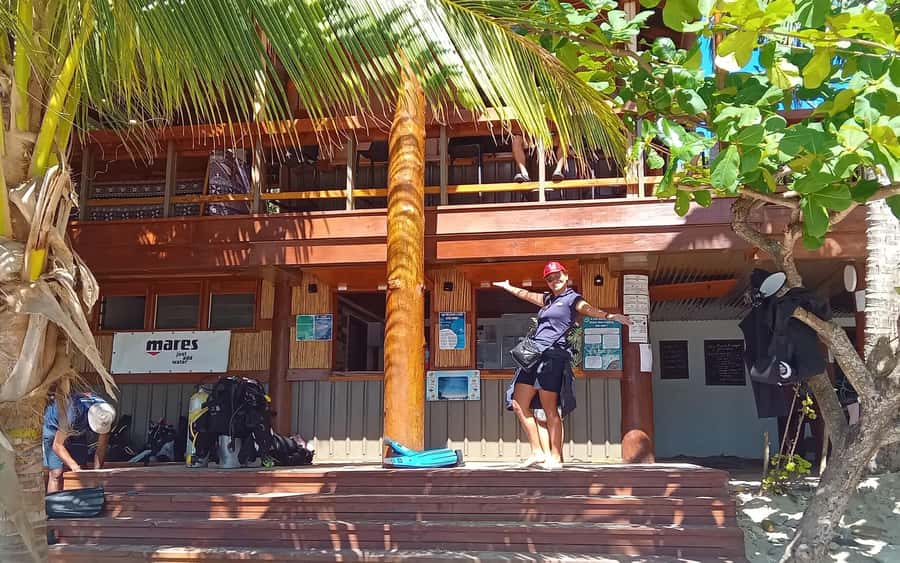
You arrive at Barefoot Kuata at about 10:30 AM. Staff welcome you at the island, then the marine biologist gives an introduction to the nearby marine environment.
This briefing is one of the most useful parts for anyone who likes to know what they are seeing. Coral can look like rock at first glance, and small sea creatures are easy to miss without some guidance. The introduction gives you a better chance of noticing the differences between coral types and the signs of a healthy marine area.
The teaching is also aimed at connecting the reef to the wider environment. The day is not only about taking pictures underwater. You learn why coral areas matter and how the regeneration program fits into the care of the surrounding sea.
The group size helps here. With a maximum of 10 people, you should have a better chance of hearing the guide clearly than on a large boat excursion. It also gives the marine biologist room to keep the group together during the water activities.
Snorkeling through Kuata’s coral gardens
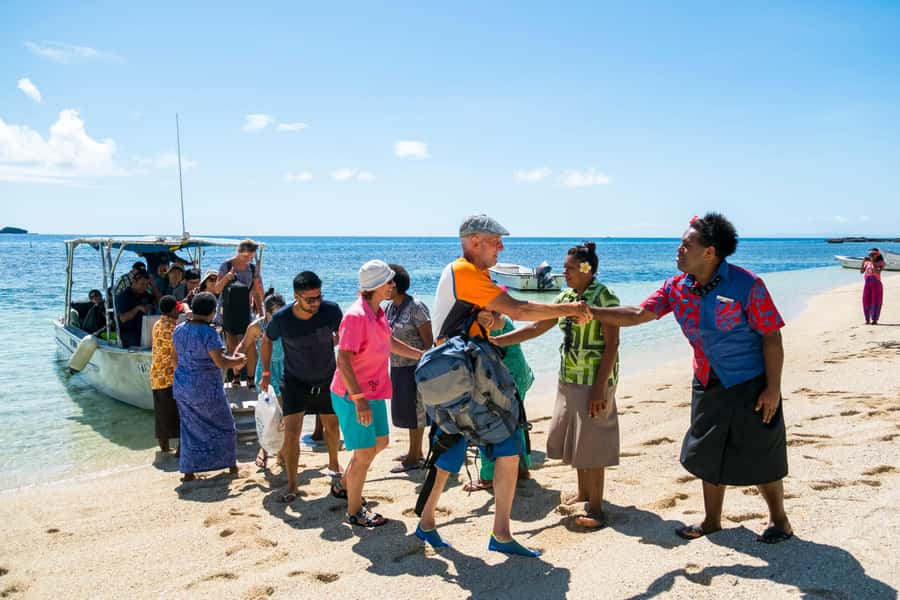
The guided snorkel is the central activity. The marine biologist leads you to the coral gardens and points out the underwater environment, including different types of fish. The water session is designed for looking, learning, and taking part in the coral regeneration program.
The conservation element gives the snorkel a practical edge. Instead of treating the reef as scenery, you become part of a program intended to support coral growth. The supplied details do not promise a specific task or tell you exactly what equipment you will handle, so you should expect an introduction to the work rather than assume a particular restoration technique.
You should bring swimwear and a hat, along with a camera if you want photographs. The information provided does not list snorkeling equipment, so ask the operator what is supplied before departure if you do not have your own gear.
The experience may suit confident snorkelers and beginners alike, since the session is guided by a marine biologist. Still, the trip is not presented as a swimming lesson, and the water activity remains a central part of the day. If you are uncomfortable in the sea, ask about the conditions and support available before booking.
The coral gardens are also a good reason to keep your expectations realistic. This is a conservation-focused snorkel, not a promise of a particular animal sighting or a dramatic underwater spectacle. You’ll be learning about the habitat, seeing fish and coral, and helping with a defined program.
Same island, a completely different day on the water:
- Cruisin Fiji: Authentic Fijian Day Cruise – Best Day in Fiji
★ 5.0 · 2,409 reviews - Jet Boat Safari on the Sigatoka River
★ 5.0 · 1,135 reviews - River Tubing Fiji, Navua River
★ 5.0 · 815 reviews - Captain Cook Cruises Fiji – Island and Reef Day Cruise
★ 4.5 · 752 reviews
What the coral regeneration program adds
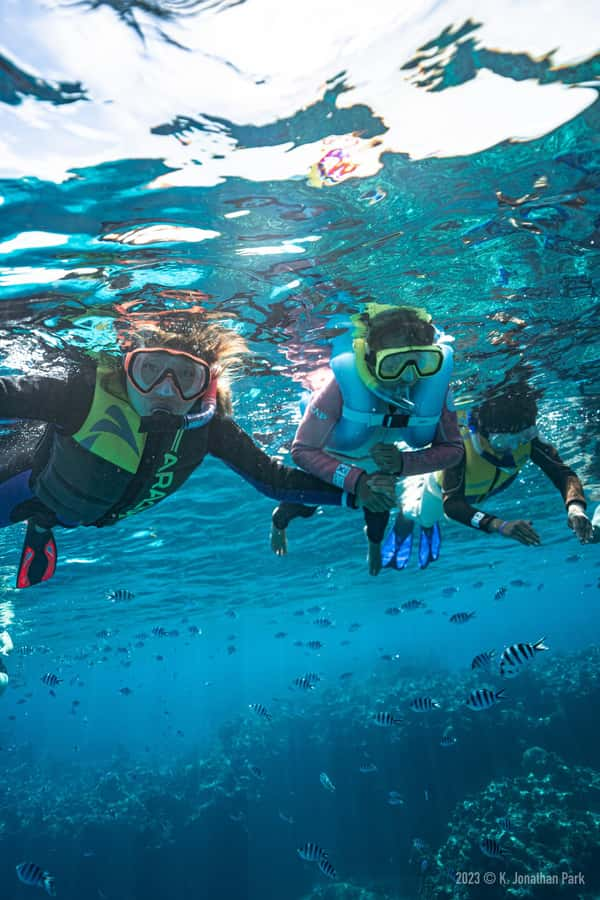
Coral restoration can sound abstract until you see how a program connects people with the reef. Here, the regeneration work is included during the guided snorkel, so the conservation message is tied to a real place and a real activity.
I like this because it gives the day a lasting point. You are not only told that reefs need care. You are shown a project and invited to play a small part. The contribution is limited to the activity, but it still changes the feel of the visit.
The program may be especially valuable for families with older children, couples interested in nature, or anyone who wants a more thoughtful alternative to a resort beach day. The tour is not just a lecture, though. You still get time in the water and a chance to see the coral gardens directly.
Treat the program with care. Follow the marine biologist’s instructions, avoid touching coral outside the assigned activity, and keep your camera use sensible. The point is to support the reef, not to turn the conservation session into a photo shoot.
Exploring the intertidal zone at low tide
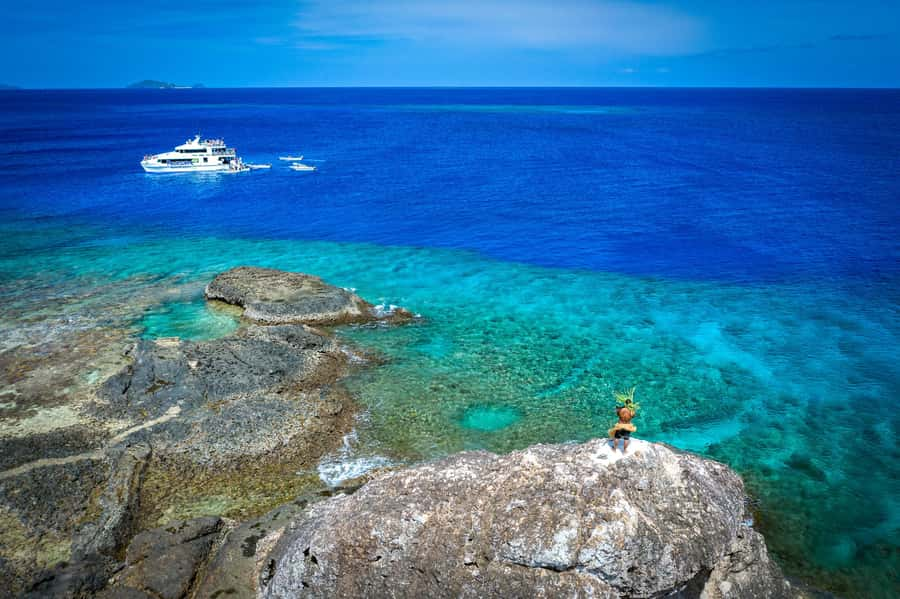
Later, the marine biologist leads a low-tide exploration of the intertidal zone. This is the strip that is covered by seawater at high tide and exposed as the tide falls. It can look modest compared with a coral garden, but it is an important part of the marine environment.
The guide focuses on why this zone matters and on the unusual creatures that live there. The supplied information does not name the species you will see, so you should think of this as a guided search rather than a guaranteed checklist.
This activity adds welcome variety. After the snorkel, you are no longer looking down through a mask. You are walking along the edge of the sea and seeing how life adapts to changing water levels. For a child or first-time nature observer, that change in viewpoint can be as interesting as the fish.
Low tide also means the timing is tied to natural conditions rather than personal preference. The exact order of activities may depend on the day’s schedule, but the point is fixed: you visit a habitat that cannot be explored in the same way at every hour.
Wear something comfortable for walking near the water and bring a hat. The only listed clothing advice is swimwear, but practical sun protection is sensible for a long island day. Smoking is not allowed on the activity.
Buffet lunch and time at the resort
A buffet lunch is included at Barefoot Kuata Island Resort. This gives you a proper break between the marine activities and the afternoon departure, instead of asking you to rely on snacks from the boat.
Drinks at lunch are not included, so allow extra money for them. Infant meals are also not included and must be paid directly to the resort before leaving the island. Infants aged 0 to 4 are complimentary, but you must advise the operator when booking.
A buffet can be a useful choice on a full-day trip because you can select the amount you want after a morning in the water. One particularly useful detail from the available feedback is that a vegan meal was provided and appreciated, but you should still communicate dietary needs when you reserve.
The resort setting also gives you a chance to slow down. The day has a firm timetable, but lunch prevents the schedule from becoming one continuous chain of instructions, snorkel gear, and transfers.
The 4:05 PM departure and ride back
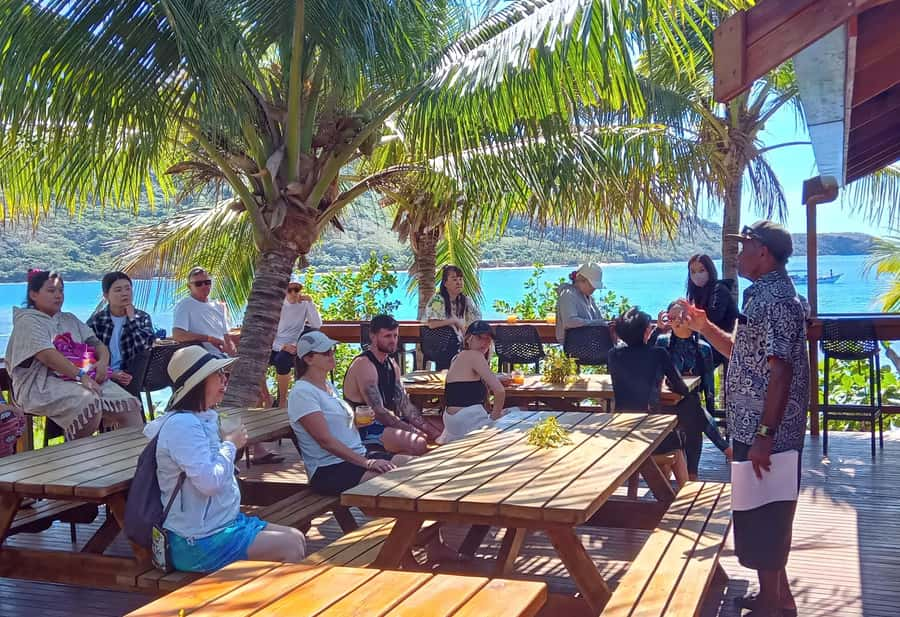
The vessel leaves Kuata at 4:05 PM and reaches Port Denarau at about 6:00 PM. That timing makes this a true full-day outing rather than a short island transfer.
The cruise home is another scenic stretch through the Yasawas. I would treat it as part of the value, especially if you enjoy watching the islands from the boat. It also gives you a quiet period after the guided activities, though anyone hoping to be back at a Nadi hotel by mid-afternoon should choose a shorter excursion.
The coach returns you to the hotel area after arrival, according to the scheduled transfer arrangements. Since pickup times vary by property, confirm the return process with the reservations team if you have an evening booking or airport connection.
Is $191 a fair price?
At $191 per person, the value depends on how you would otherwise spend the day. The price includes round-trip coach transfers from many nearby hotel areas, the boat journey, a buffet lunch, a marine conservation talk, a guided snorkel, and a low-tide exploration.
If you paid separately for transport, a scenic Yasawa cruise, lunch, and a guided marine activity, the combined cost could easily approach the tour price. The small group is another reason the package has appeal. You are not paying only for access to a beach. You are paying for a guide-led program with a clear educational purpose.
The price is less attractive if your main goal is simply to swim and sit on the sand. You may spend much of the day on the boat or following a set schedule, and drinks cost extra. The day also requires an early start and a return around 6:00 PM.
I see the best value for people who want three things at once: a Yasawa Island cruise, reef time with a specialist guide, and a meal in a resort setting. For that combination, $191 is a reasonable all-in day price.
Who should book this Kuata Island day?
I would recommend it to you if you enjoy nature, prefer a small group, and want your snorkeling to include some explanation and purpose. It is also a good fit for couples, families with children who can manage a full day, and visitors who want to support a conservation project while seeing the island environment.
The experience may not suit you if you need wheelchair access or have a visual impairment, since it is specifically listed as unsuitable for both. It may also be a poor match if you dislike long boat trips, fixed departure times, or water-based activities.
The perfect packing list is short: hat, swimwear, camera, and money for drinks. Confirm your hotel pickup, ask about snorkeling equipment, and mention any dietary needs in advance. Those small checks will make the long day easier.
Should you book the Kuata Island Marine Conservation Experience?
Book this if you want more than a postcard view of Fiji. The coral garden snorkel, coral regeneration work, and low-tide exploration give the day substance, while lunch and the scenic cruise keep it comfortable.
Skip it if you want a quick beach visit or a late start. The strongest reason to choose Kuata is the marine biologist-led program, not simply the island scenery. With six published ratings at 5 out of 5 and praise for the friendly staff, beautiful setting, vegan food, and clear coral education, the experience has earned strong approval. Just make sure its long schedule and accessibility limits fit your needs.
FAQ
How long is the Kuata Island Marine Conservation Experience?
The activity lasts 9 hours. Departure from Port Denarau is at 8:45 AM, and the return is scheduled for about 6:00 PM.
Where does the experience depart from?
The vessel departs from Port Denarau. Complimentary scheduled coach transfers are available from most Denarau, Wailoaloa, Nadi, and Vuda hotels and resorts.
When will my hotel pickup take place?
Coach pickups begin about 75 minutes before the vessel departs from Port Denarau. Your exact pickup time depends on your hotel, so check with the reservations team or the coach timetable.
What is included in the price?
The price includes scheduled coach transfers from many nearby hotels, the scenic cruise, buffet lunch, a marine conservation talk, a guided snorkel, and a low-tide exploration with a marine biologist.
Are drinks included with lunch?
No. Drinks at lunch are not included and must be paid for separately.
Is snorkeling part of the experience?
Yes. A marine biologist leads a guided snorkel to the coral gardens, and you take part in the coral regeneration program during the snorkel.
What should I bring?
Bring a hat, swimwear, and a camera. Ask the operator about snorkeling equipment if you need to know what is supplied.
Are infants allowed on the tour?
Infants aged 0 to 4 years are complimentary, but you must advise the operator when booking. Infant meals are not included and are payable directly to the resort before departure from the island.
Is the experience accessible to wheelchair users?
No. The experience is listed as unsuitable for wheelchair users and people with visual impairments.
Just added around Fiji
- Yasawa Islands Explorer Cruise with Lunch★ 3.5 · 26 reviews
- Round The Island Day Trip Fiji- Viti Levu★ 5.0 · 17 reviews
- iconic waterfall tour★ 4.5 · 12 reviews
- Ultimate Shark Encounter Two Tank Dive at The World Famous Beqa Lagoon★ 5.0 · 18 reviews
- Waterfalls and Nature Tour★ 4.5 · 9 reviews
- Discover Fiji Best Sights Tour from Lautoka wharf Cruise Ships★ 4.0 · 5 reviews
- Skydive Fiji Radical 10000ft Tandem Jump (30 seconds free fall)★ 5.0 · 12 reviews
- South Sea Island Combo Trip with Lunch & Drinks★ 4.5 · 17 reviews
Fiji Tours, compared.
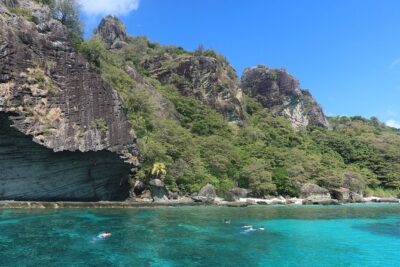
Cruisin Fiji: Authentic Fijian Day Cruise – Best Day in Fiji
Read the full review →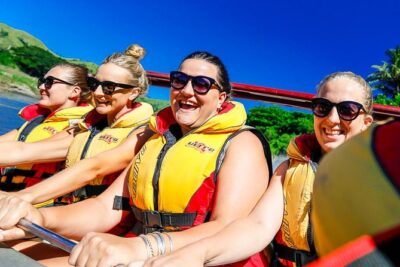
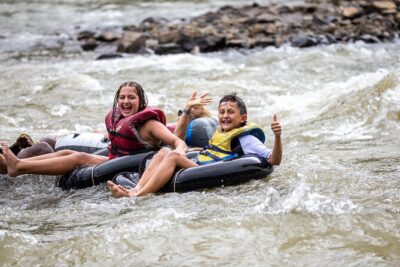
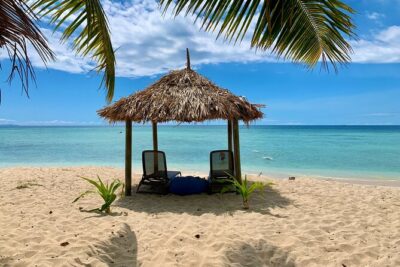
Captain Cook Cruises Fiji – Island and Reef Day Cruise
Read the full review →
South Sea Sailing Full Day Trip (5 years and above only)
Read the full review →
Jewel Of Fiji incl Fijian Village, waterfall & Lunch(Nadi Hotels)
Read the full review →
Full Day South Sea Island with Lunch & Drinks
Read the full review →Browse the lists this tour appears in