
Reviewed · MOOREA TOURS
Polynesian culinary experience
The most memorable part of this Moorea experience is not simply the meal. It is the connection between Paopao Valley’s pineapple fields and gardens and the food you prepare there. Audrey and Stevenson guide you through local plants, Polynesian cooking methods, and the changes shaping island life, then sit down with you for lunch.
I like two things in particular: you take part in the cooking, and the food lesson comes with real cultural context. You may carve tuna for poisson cru, wrap bread in banana leaves, prepare coconut bread, roast breadfruit, and make sauces for grilled tuna. The main consideration is practical: this is a morning-to-lunch activity, not a quick demonstration, and transportation in an air-conditioned vehicle is not included.
Key points at a glance
- A garden-to-table setting: Cook beside pineapple fields and growing gardens in Moorea’s Paopao Valley.
- Named local guides: Audrey and Stevenson lead the class, explain the ingredients, and share their view of Polynesian culture and island life.
- Hands-on menu: Prepare dishes that can include poisson cru, coconut bread, coconut chips, breadfruit, grilled tuna, and a banana-leaf dessert.
- A private experience: Only your group takes part, making it easier to ask questions and share the work.
- A full meal is included: Coffee or tea, snacks, lunch, and all fees and taxes are covered.
- Useful take-home value: Recipes are provided so you can try the dishes again at home.
Cooking in Moorea’s Paopao Valley
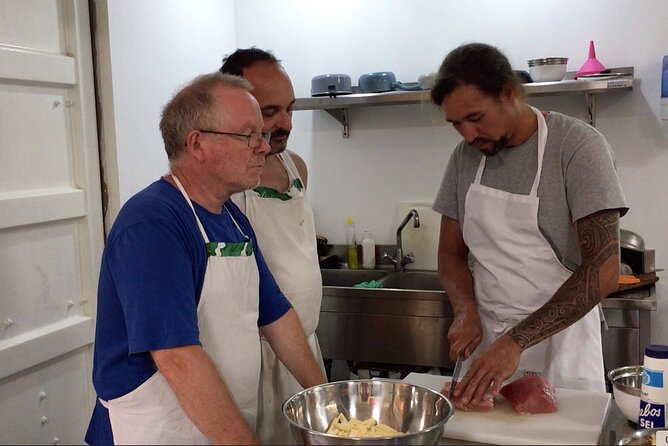
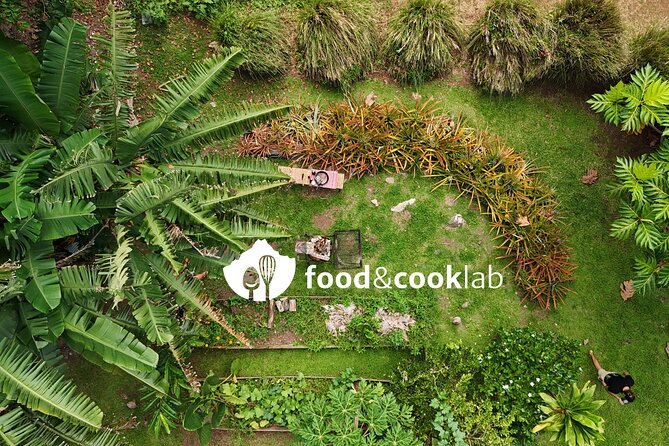
At 9:00 in the morning, you meet at F5MG+32W in Moorea-Maiao. The class takes place in a professional cooking and training space beside a production laboratory, with gardens and pineapple fields nearby. The setting gives the activity a useful sense of place. You are not simply discussing island ingredients in a hotel kitchen. You are working close to where some of those ingredients grow.
That matters in French Polynesia, where food reflects the land, the sea, imported products, family habits, and modern changes. The class aims to explain all of that in plain, practical terms. You learn what grows locally, what is seasonal, what is native, and how local cooks use each ingredient.
The surrounding scenery is part of the appeal. The valley setting, gardens, and jagged Moorean peaks provide a calmer backdrop than the island’s beaches and boat excursions. If your schedule already includes snorkeling and hiking, this gives you a different view of Moorea: one based on agriculture, food preparation, and daily life.
More food and market days in Moorea:
- Fiji: Day Trip to Cloud 9 Floating Platform Including Food and Beverages
★ 4.5 · 450 reviews - Moorea Street Food Tour
★ 5.0 · 410 reviews - Papeete Food Tour
★ 5.0 · 80 reviews
Meeting Audrey and Stevenson
Audrey and Stevenson are the central reason this class feels personal rather than mechanical. They lead the instruction, explain the food, and take part in the shared meal. Their teaching covers both technique and context, including the history of the land, traditional cooking methods, and the way Polynesian society is changing.
The experience is a private activity, so only your group participates. That does not necessarily mean you receive a one-on-one class, but it does mean the format is suited to couples, families, and small groups who want room for questions and conversation. The class has also welcomed a range of ages, including a group with a 92-year-old participant.
The pace is described as casual and laid-back. That is good news if you want time to talk, identify plants, and understand what you are doing. It is less suitable if you prefer a fast class with a tightly timed series of demonstrations.
Seeing the Garden Before Cooking
A valuable early part of the experience is learning to identify plants in the garden. You get a closer look at the produce used in Polynesian cooking and hear about how fruits and vegetables are grown and used. This helps connect the finished dishes with the work behind them.
The garden also adds an environmental lesson without turning the class into a formal lecture. You see how local cooking makes use of available resources, including leaves for wrapping food and plants that may otherwise be overlooked. The emphasis is on practical island traditions, not on presenting Polynesian food as a fixed museum piece.
The garden visit will appeal most to you if you like knowing where food comes from. If you only want to eat local dishes, it may feel like a slower start. I think that extra time earns its place because it makes the meal more understandable. You learn not only what is on the plate, but why it is prepared that way.
Preparing Poisson Cru and Fresh Tuna
Fish is a major part of the class. The menu can include fresh line-caught red tuna, and one hands-on task is learning how to carve tuna for poisson cru. This familiar French Polynesian dish is prepared with raw fish and local flavors, though the exact recipe and menu may vary.
The class also includes grilled tuna with homemade sauces. That gives you two different ways to appreciate the same central ingredient: one fresh and uncooked, one prepared over a barbecue and paired with sauces. It is a useful comparison, especially if your experience of Polynesian food has been limited to ordering poisson cru at a resort or restaurant.
The fish preparation is also one of the more practical parts of the lesson. You are not just watching a chef plate a finished dish. You handle ingredients and learn techniques that can be adapted at home. The recipes provided afterward make that follow-up more realistic.
If you do not eat fish, the class may require advance discussion. One participant received vegetarian accommodations, so the kitchen has shown flexibility, but the supplied details do not promise a particular vegetarian menu for every date. Mention your dietary needs when booking rather than assuming the standard dishes will suit you.
A few more days out around Moorea
- Moorea 6-Hour Snorkeling and Lunch Shared Tour
★ 5.0 · 1,758 reviews - Moorea 4WD Tour Inc. Belvedere, Pineapple Farm, Magic Mountain…
★ 5.0 · 967 reviews - Snorkeling excursion, discovery of the lagoon, small group.
★ 5.0 · 861 reviews - Franckyfranck Tours Moorea – Half day Tours
★ 5.0 · 817 reviews
Banana Leaves, Coconut Bread, and Breadfruit
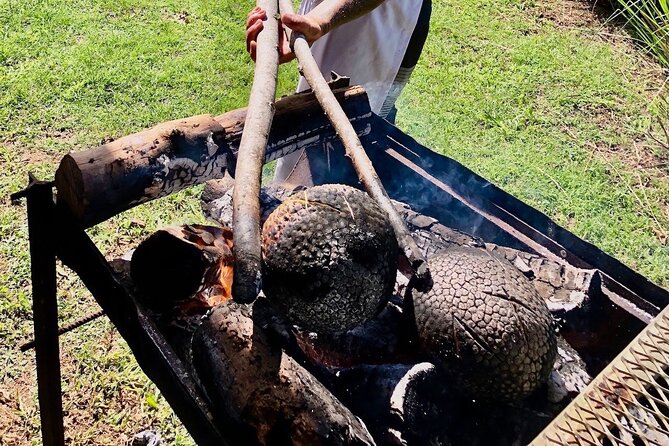
Several cooking tasks show how traditional Polynesian food makes use of simple materials. You may prepare fresh coconut bread inside a leaf, wrap a pumpkin and tapioca-style dessert in a banana leaf, and roast breadfruit. These methods are part of what makes the class more than a standard recipe lesson.
Banana leaves can serve as cooking wrappers and presentation tools. They add aroma and help explain how island cooks worked with the materials available to them. Breadfruit, meanwhile, offers a useful introduction to a staple that many visitors may know only by name.
The menu can also include coconut chips and other small preparations. These snacks help fill out the meal and show how coconut is used in more than one form. Coffee and tea are included, along with snacks, so the morning does not depend on waiting until the final lunch.
The exact menu is not guaranteed in the supplied information. That is normal for a food activity based on seasonal and local ingredients. You should treat the listed dishes as examples of what the class may cover, not as a fixed restaurant menu.
Sitting Down to a Polynesian Lunch
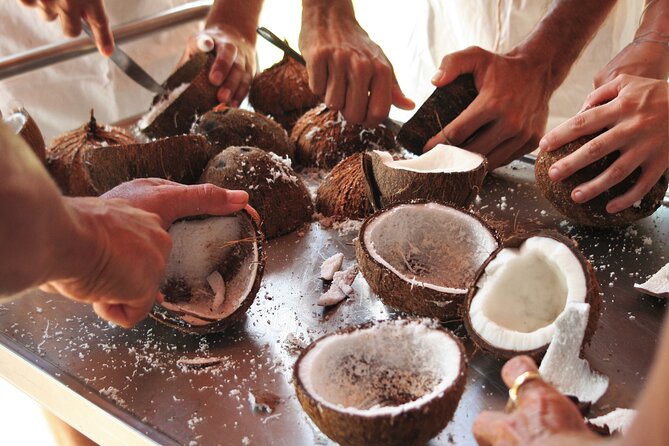
After the preparation, you sit down and eat the meal together. This shared lunch is a key part of the experience. Audrey and Stevenson remain involved, so the table becomes another place to discuss ingredients, customs, family food traditions, and life in Moorea.
The meal is included in the $99 price, along with coffee or tea, snacks, and all fees and taxes. Alcoholic drinks are not included. You should also note that the activity does not include an air-conditioned vehicle, so the meeting point and your own transportation arrangements matter.
The lunch can be substantial. Some participants have had enough food left to enjoy again later in the day. That will depend on the menu and group, so I would not book it expecting a guaranteed take-home dinner, but it does suggest that this is more than a small tasting.
A shared meal also gives you a chance to judge the food in the way it is meant to be enjoyed. Instead of rushing from one recipe to the next, you can sit, talk, and taste the relationship between the dishes.
Why the Cultural Context Matters
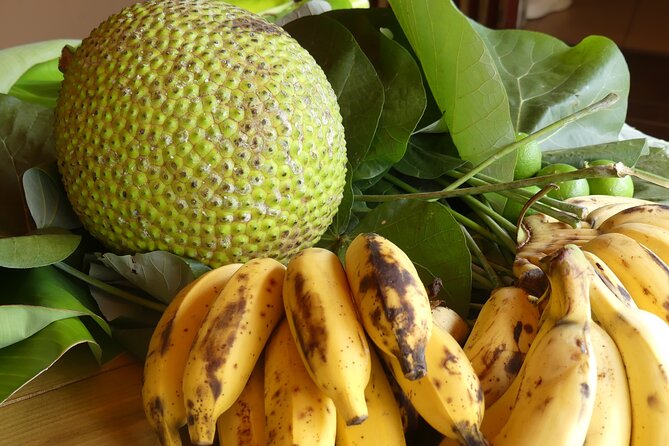
Food is an effective way to understand Polynesia because it brings together agriculture, fishing, family life, trade, and adaptation. This class covers the history of the land and the ingredients, but it also looks at present-day Polynesian society and the changes affecting it.
That broader view is one reason I would place this activity early in a Moorea visit. It can help you recognize local foods during the rest of your stay. You may notice breadfruit, coconut, tuna, tropical produce, and cooking leaves with a clearer sense of how they fit together.
The class also avoids reducing Polynesian cuisine to a single dish. Poisson cru is included, but the menu can reach into bread, vegetables, fruit, grilled fish, coconut, and desserts. That variety is useful for anyone who wants to understand the food beyond the most familiar resort offering.
The setting reinforces the lesson. Working near the gardens and pineapple fields gives the conversation a physical anchor. You can see the growing environment while learning how local products move from land to kitchen to table.
What the $99 Price Delivers
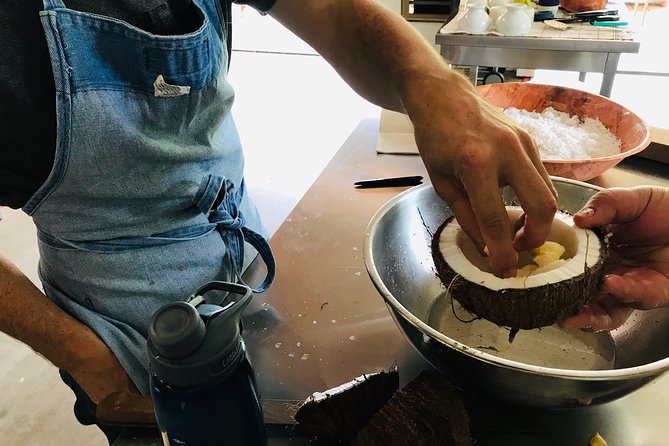
At $99 per person, this is not the cheapest way to eat lunch in Moorea. You are paying for a three-and-a-half-hour private activity, instruction, ingredients, a full meal, snacks, coffee or tea, recipes, and cultural discussion. The value improves if you would otherwise pay for both a cooking class and a separate cultural activity.
The private format is particularly useful for couples or families. You do not have to compete with a large group for a turn at the cutting board, and the guides can keep the conversation connected to your interests. For a honeymoon, birthday surprise, or family outing, the personal format adds meaning without requiring a luxury resort setting.
I would not choose this based only on the food cost. A restaurant lunch will likely be faster and may cost less. Choose it because you want to learn, participate, and spend several hours with local guides in a working culinary space.
The recipes add value after you leave. They turn the class from a one-time meal into something you can revisit at home, though you may need to substitute ingredients depending on what is available where you live.
Timing, Comfort, and Practical Details
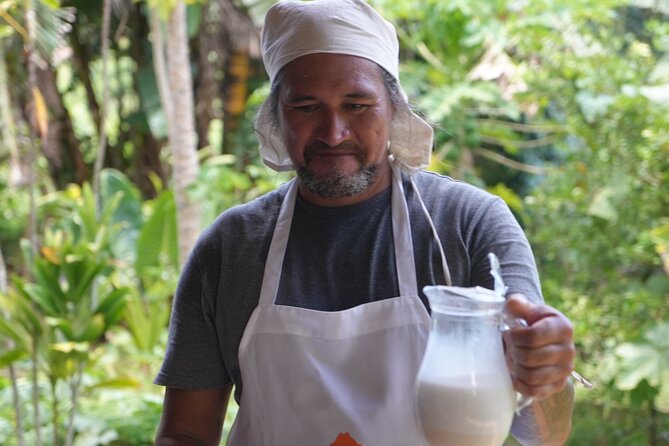
The experience begins at 9:00 a.m. and lasts about three hours and 30 minutes. Plan for a morning activity that runs into lunch, not a brief class you can squeeze between several other bookings.
The meeting and ending point are the same. Transportation is not included, and specifically there is no air-conditioned vehicle provided. Confirm how you will reach F5MG+32W before the day of the class, especially if you are staying elsewhere on Moorea.
The activity offers a mobile ticket, and booking confirmation is received at the time of reservation. Service animals are allowed. Since the class involves food preparation and garden access, you may want to wear comfortable clothing and shoes, though no formal dress guidance is provided.
Free cancellation is available if you cancel at least 24 hours before the 9:00 a.m. start time. Changes or cancellations made less than 24 hours in advance are not accepted for a refund. The cut-off follows Moorea’s local time.
Who Will Enjoy This Most
I would recommend this to you if you like cooking, local agriculture, and conversation. It works especially well for couples, families, and small private groups who want a shared activity with a meal at the end.
It is also a strong choice for repeat visitors to French Polynesia. If you have already seen the beaches and taken the usual boat trips, the class gives you a more grounded look at the island. You learn about food production and household cooking rather than only seeing Moorea from the water.
Older participants can enjoy it too. The relaxed pace and private setting may be easier than a physically demanding excursion, though you should consider your own comfort with standing and food preparation since the class is hands-on.
You may want to skip it if you dislike group meals, have very narrow food preferences, or want an activity focused on scenery alone. The valley setting is beautiful, but the main event is cooking and conversation. Anyone with dietary restrictions should contact the provider ahead of time, since vegetarian accommodations have been made but a standard alternative menu is not specified.
Should You Book Food&CookLab Tahiti-Moorea?
Book this class if you want to take home more than photographs of Moorea. You will learn how local ingredients are grown and prepared, work with Audrey and Stevenson in a professional space, and eat a meal connected to the island’s land and traditions.
The best reason to reserve is the combination of hands-on cooking and cultural teaching. The main caution is that the class takes most of the morning, costs more than a simple lunch, and does not include transport. If those points fit your plans, the $99 price is fair for a private, food-centered experience with a full meal and recipes to use later.
Pre-booking is wise if this is important to your itinerary. It has a strong record of five-star ratings, and the private format limits the number of people who can take part.
FAQ
Where does the Polynesian culinary experience take place?
It takes place in Paopao Valley on Moorea, French Polynesia, at F5MG+32W, Moorea-Maiao.
What time does the class start?
The experience starts at 9:00 a.m.
How long does the activity last?
The activity lasts approximately three hours and 30 minutes.
Is the activity private?
Yes. Only your group participates in the activity.
Who leads the cooking experience?
Audrey and Stevenson are the culinary guides and hosts.
What food might I prepare?
The class can include poisson cru, coconut bread cooked inside a leaf, coconut chips, grilled tuna with homemade sauces, roasted breadfruit, and a pumpkin and tapioca-style dessert wrapped in a banana leaf. The exact menu may vary.
Is lunch included?
Yes. Lunch, snacks, and coffee or tea are included.
Are alcoholic beverages included?
No. Alcoholic beverages are not included.
Is transportation included?
No. An air-conditioned vehicle is not included. You meet and finish at the listed meeting point.
Can I cancel for a full refund?
Yes, if you cancel at least 24 hours before the experience start time. Cancellations or changes made less than 24 hours before the start are not eligible for a refund.
Just added around Moorea
- moorea tubing★ 5.0 · 12 reviews
- Whale Watching Moorea (non-swimming)★ 4.0 · 12 reviews
- Yoga at sunrise at Sofitel Moorea, overlooking Tahiti★ 5.0 · 3 reviews
- You drive, I guide you★ 5.0 · 26 reviews
- Unique photo shoot in the heart DE Moorea: Beach & mountain combo★ 5.0 · 3 reviews
- Watch and Swim with Humpback Whales in Moorea★ 5.0 · 3 reviews
- Whale watching 6 people half day★ 5.0 · 38 reviews
- Snorkeling Tour in Moorea Aquatic Adventure Half Day★ 5.0 · 4 reviews
Moorea Tours, compared.
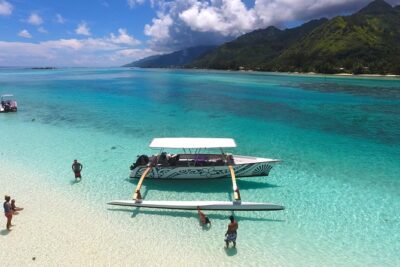
Moorea 6-Hour Snorkeling and Lunch Shared Tour
Read the full review →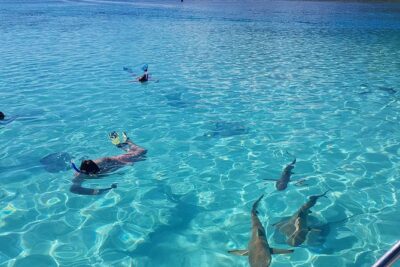
Snorkeling excursion, discovery of the lagoon, small group.
Read the full review →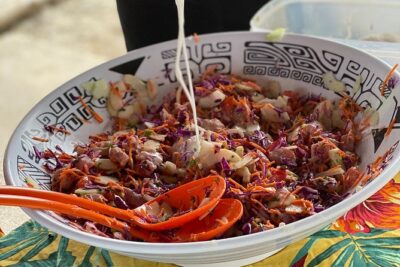
Best Way to Interact with Ocean Wildlife with Lunch. 6H
Read the full review →
Grand Tour Quad Excursion in Moorea (Single or Two-Seater)
Read the full review →
Half Day Tour : Moorea Snorkeling & Sailing on a Catamaran named Taboo
Read the full review →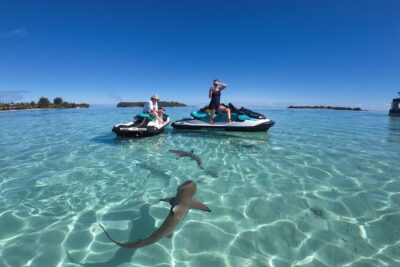
Sea Scooter Jet Snorkeling “Moorea Dream Adventure”
Read the full review →
Browse the lists this tour appears in